For brand and product developers
Product Development Library
130 activewear constructions on file, each one recorded with the specification and the colourway it was developed in. It exists to shorten the first conversation of a development brief: instead of describing a garment from nothing, you name the closest construction and list what you want changed.

How it works
From a tech pack to a production run
Activewear development usually stalls in the same place: a buyer describes a garment in words, a factory picks one of several readings, and a sample round is spent discovering the mismatch. Send your tech pack and we place it against a construction that already exists on file, so the first round is spent on the differences rather than on the basics.
1Submit a tech pack — or start from a code
A tech pack is the fastest route and needs no preparation on our side. If you do not have one yet, pick the closest construction on file and list your differences instead; that works too.
2We place it against what is on file
Your pack is mapped onto the nearest construction, so the specification conversation starts from a shared reference rather than a blank page. Where your pack and our entry differ, the differences are named.
3You get the differences, costed
What moves and what it costs, including where a change shifts the pattern rather than the trim. Nothing is absorbed silently into the price.
4Sample, then grade
A sample round confirms the construction against your pack, and the grade is extended on the charts below before the production run.
What can change
Every entry is a starting point
The specification on a card records how that entry was developed, not the only way it can be made. These are the changes buyers ask for most often; each one is a normal part of taking a style to production, and each is illustrated with an entry that shows it.
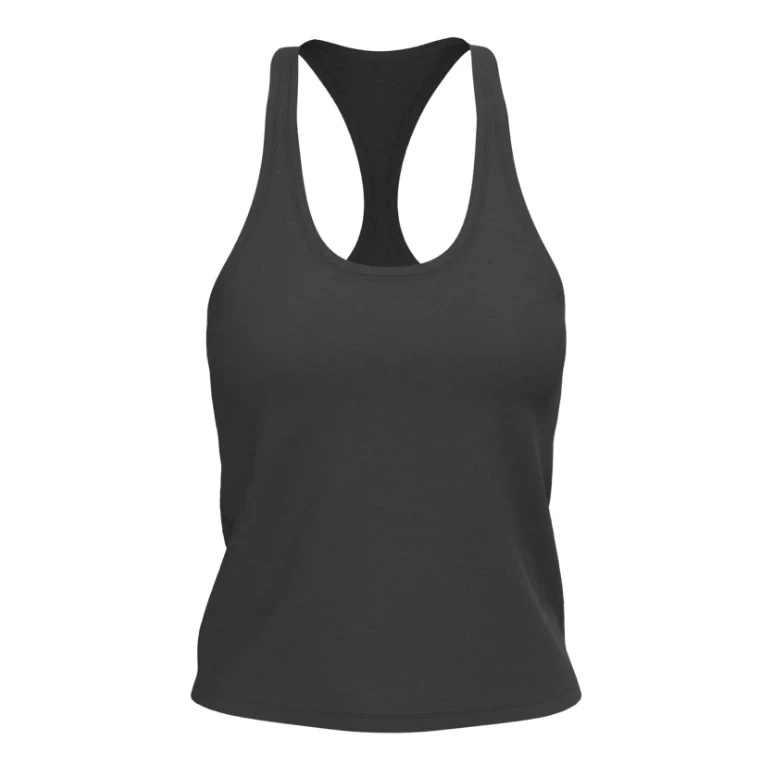
Swap the fabric, or move to a heavier weight
The same block in a different knit. Weight is quoted per style once the fabric is fixed, because the entries here do not all sit on one weight.
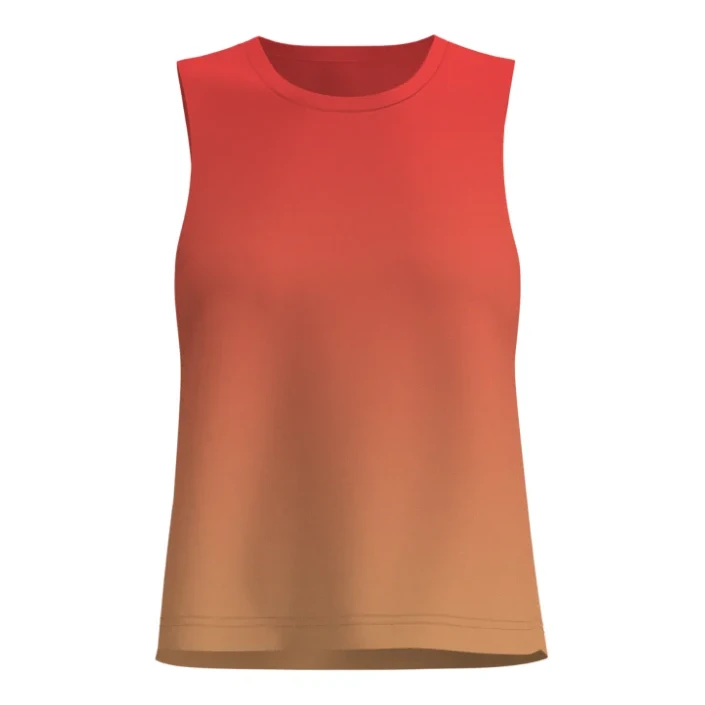
Re-colour to your own palette
Including the effects that are harder to match: dip dye, acid wash, camo and plaid. Each entry shows the colourway it was developed in.
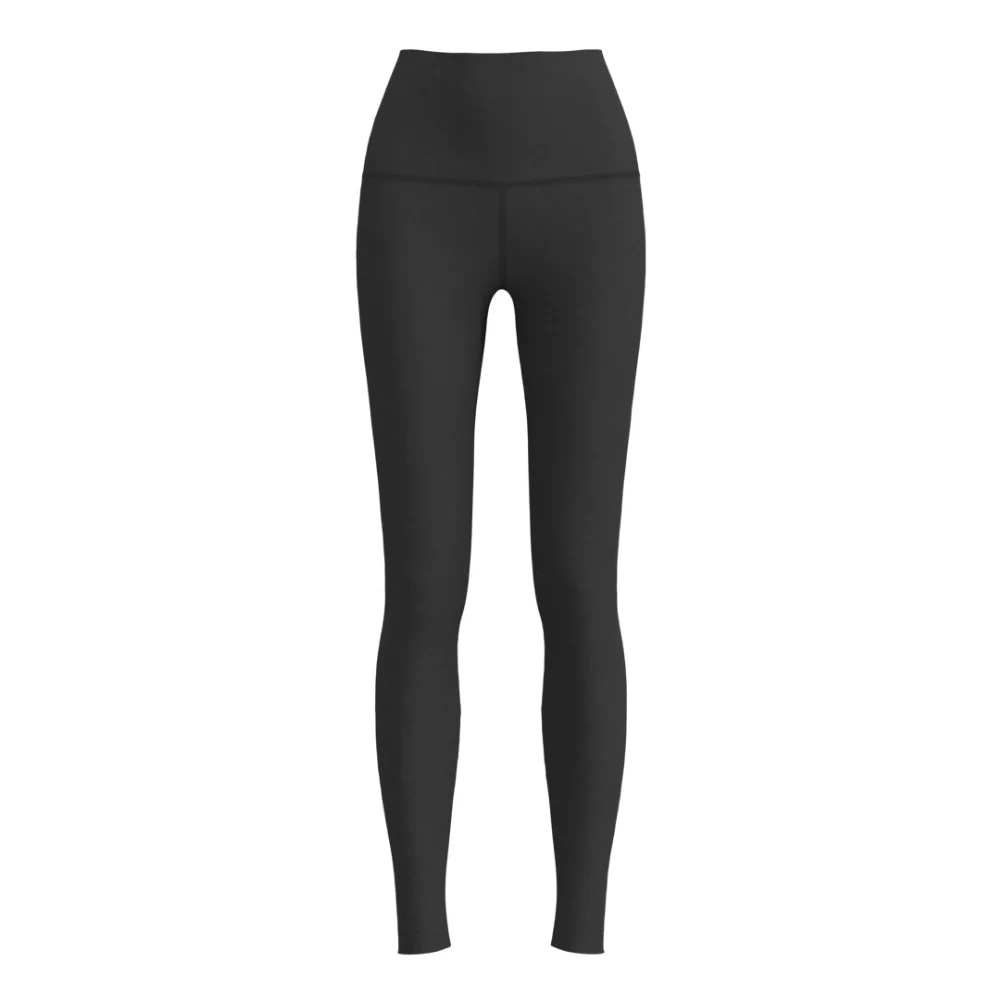
Change the waistband height, rise or inseam
2.5", 3", 4" and 5" bands appear across the library, plus combined bands such as 5" + 3" where a style needs to fold over.
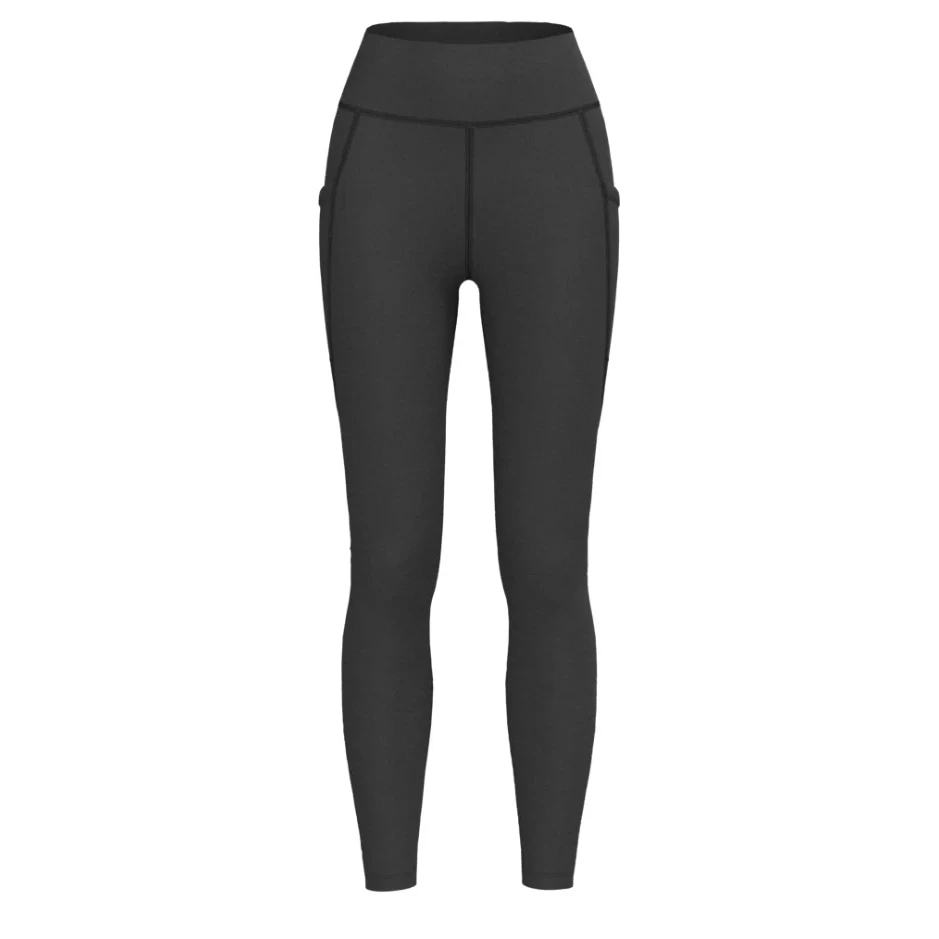
Add or remove pockets, panelling and mesh
Side pockets, cross pockets, panel seams and mesh inserts. These change the seam layout and therefore the pattern, not just the trim.
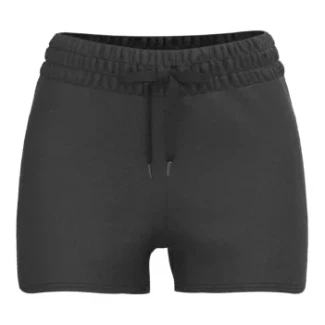
Add a liner, or change the liner style
Lined and unlined versions of the same short, with a boxer-brief liner where the style is built for training rather than yoga.
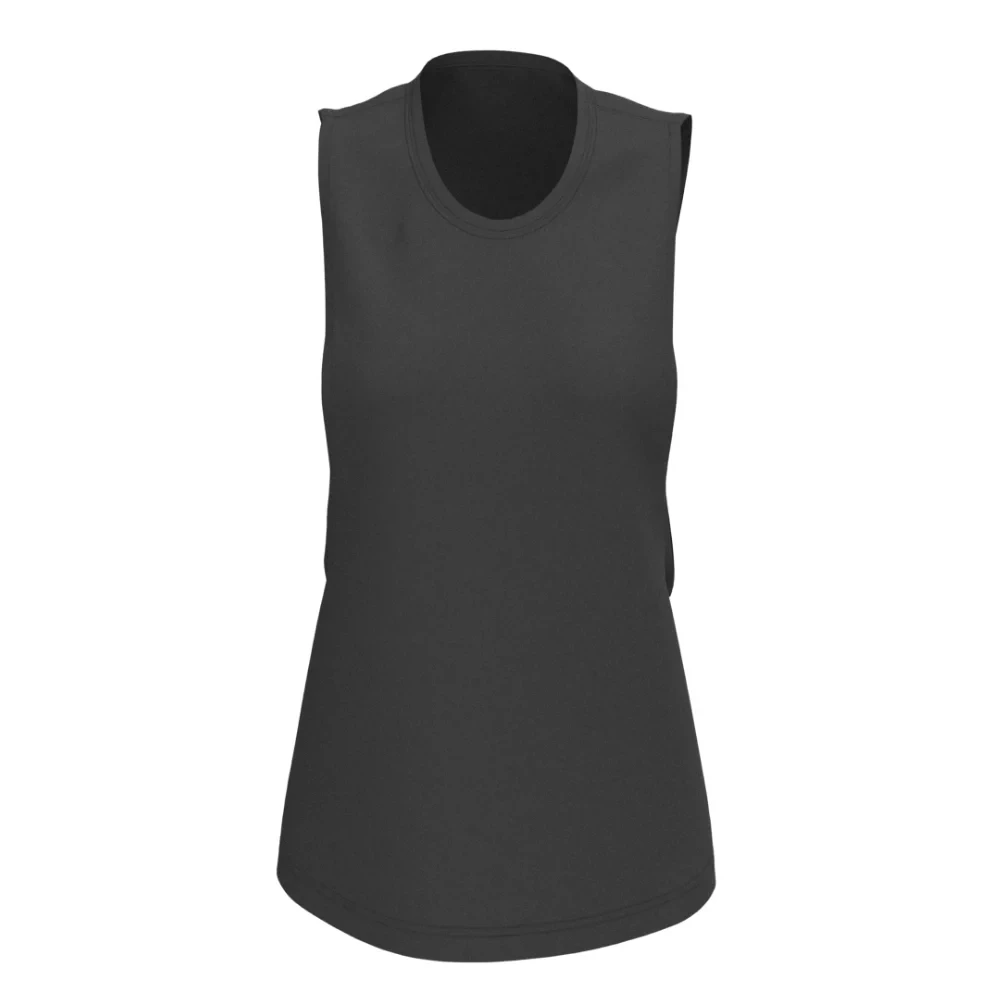
Apply your branding
Woven labels, heat transfer, embroidery and printed waistbands, placed to your artwork on the waistband, leg or back neck.
The library
A selection from the 130 on file
Twelve entries that show the range. Each category below opens the full set for that garment type, with the specification and colourway recorded on every card.
-
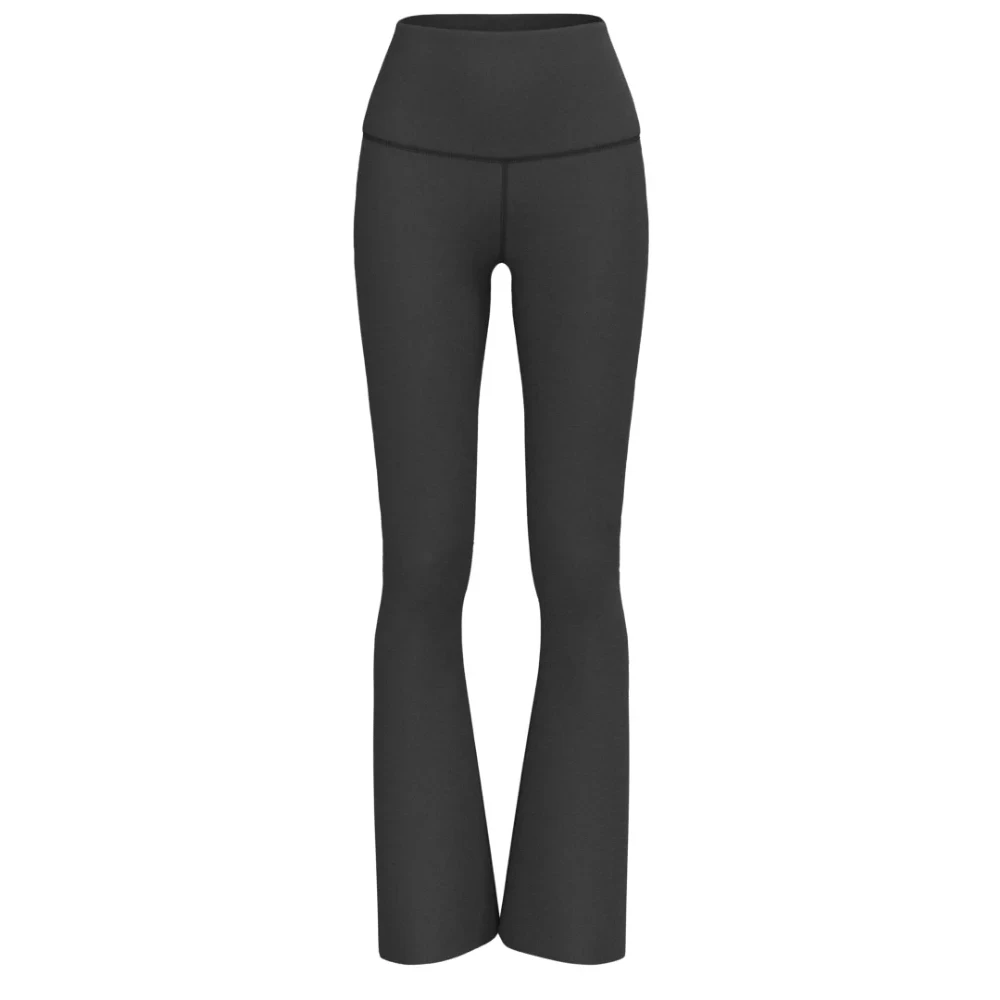
YPF-D035
Bootcut Pant
- Fabric
- Brushed Jersey
- Colour
- Black
-
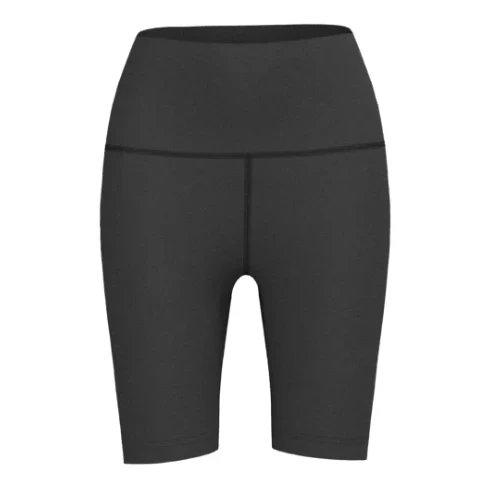
YPF-D023
Biker Short
- Inseam
- 8"
- Fabric
- Brushed Jersey
- Colour
- Black
-
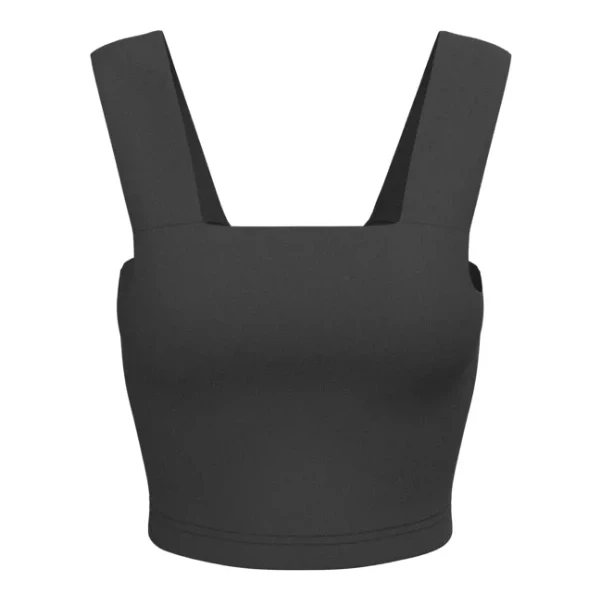
YPF-D004
Wide-Strap Bra Tank
- Fabric
- Brushed Jersey
- Colour
- Black
-
YPF-D001
Performance Racerback Tank
- Fabric
- Brushed Jersey
- Colour
- Black
-
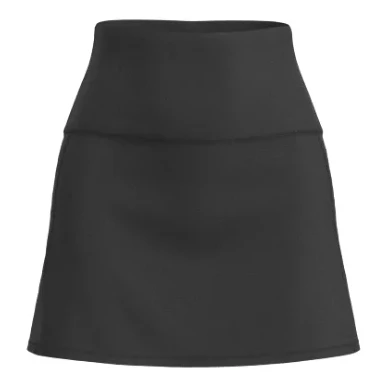
YPF-D101
Skort
-
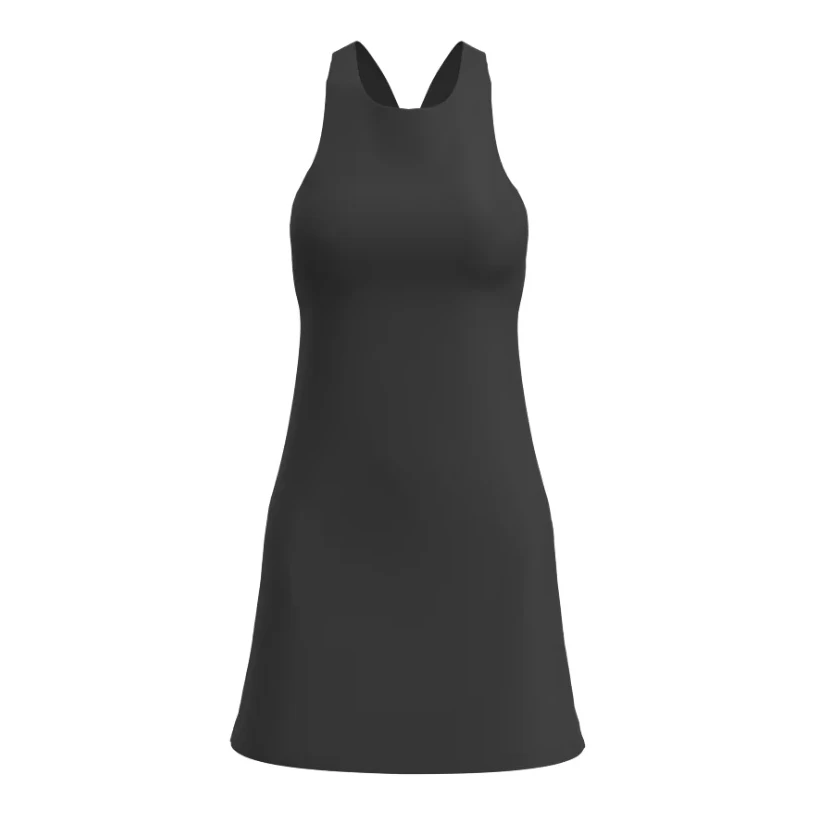
YPF-D125
Tank Dress
- Fabric
- Brushed Jersey
- Colour
- Black
- Pockets
-
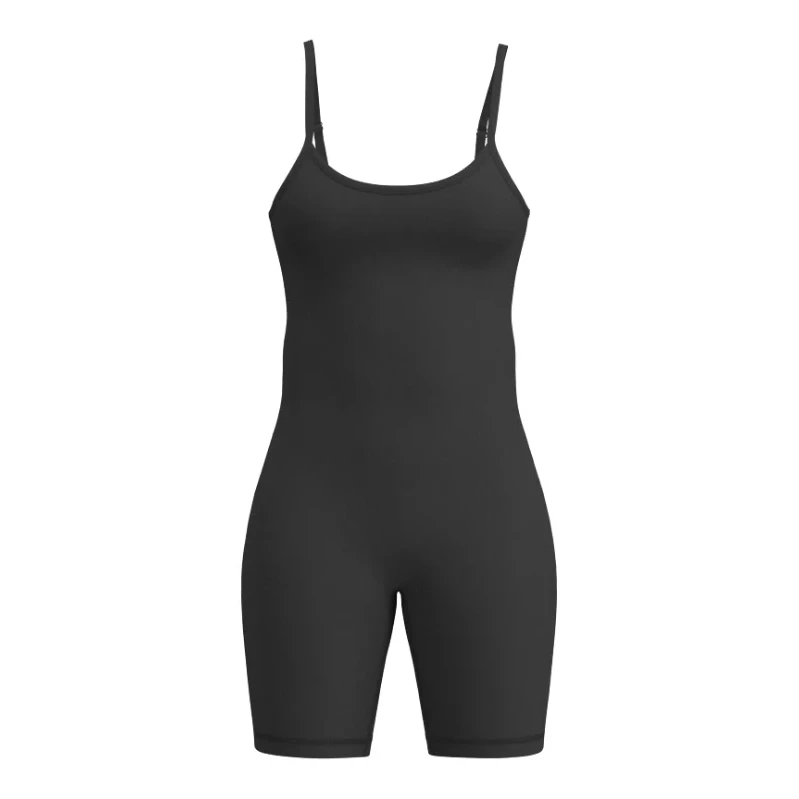
YPF-D115
Spaghetti Romper
- Fabric
- Brushed Jersey
- Colour
- Black
- Cups
-
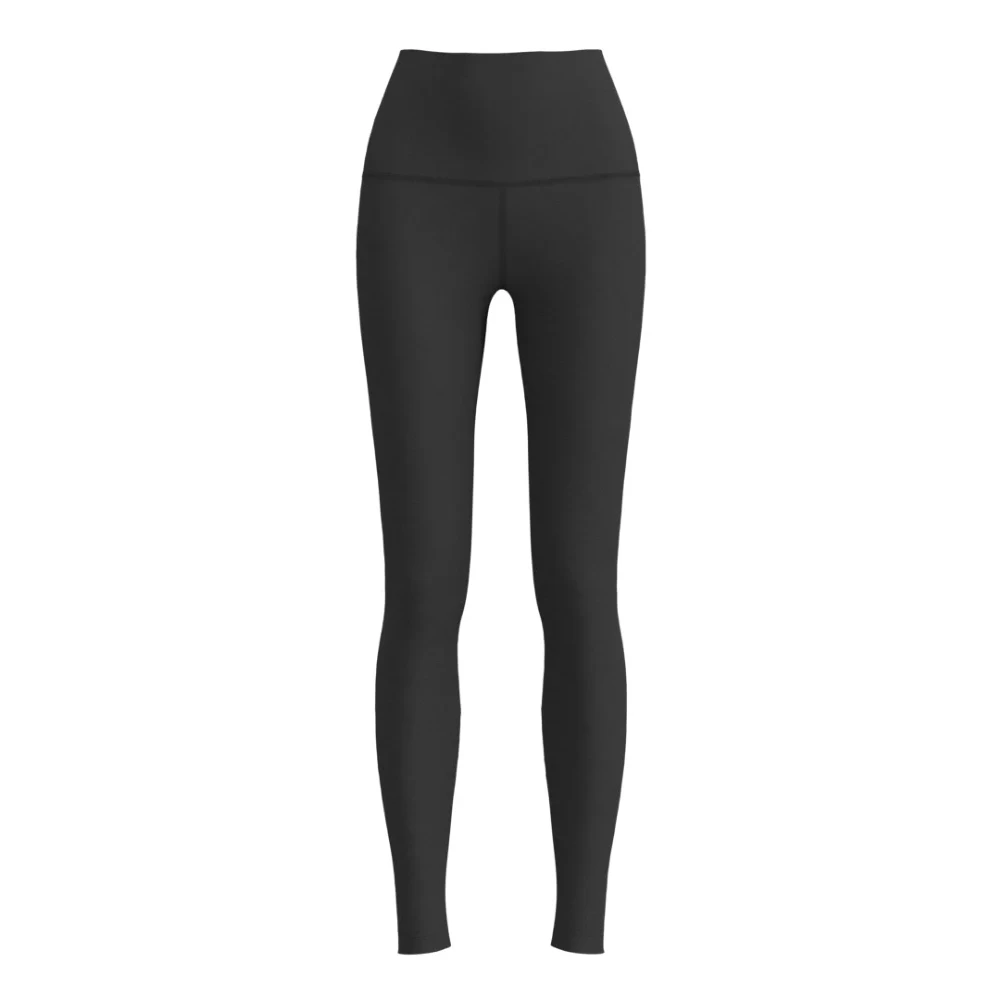
YPF-D041
No-Outseam Legging
- Waistband
- 4" WB
- Fabric
- Brushed Jersey
- Colour
- Black
-
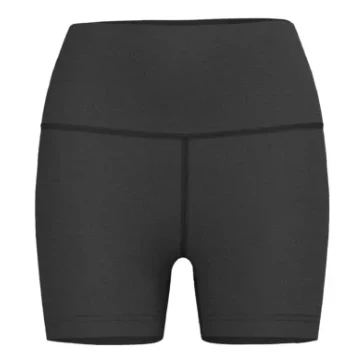
YPF-D036
Biker Short
- Inseam
- 5"
- Colour
- Black
-
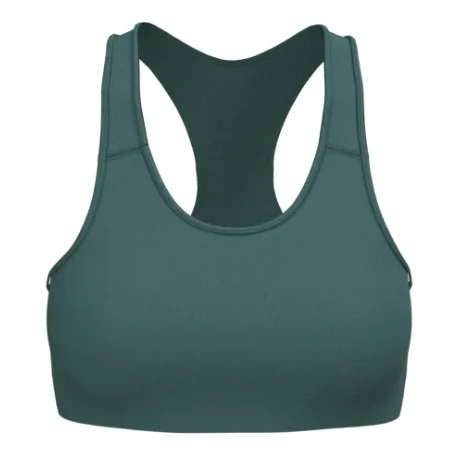
YPF-D057
Racerback Bra
- Cups
- No Cups
- Fabric
- Brushed Jersey
- Colour
- Agate
-
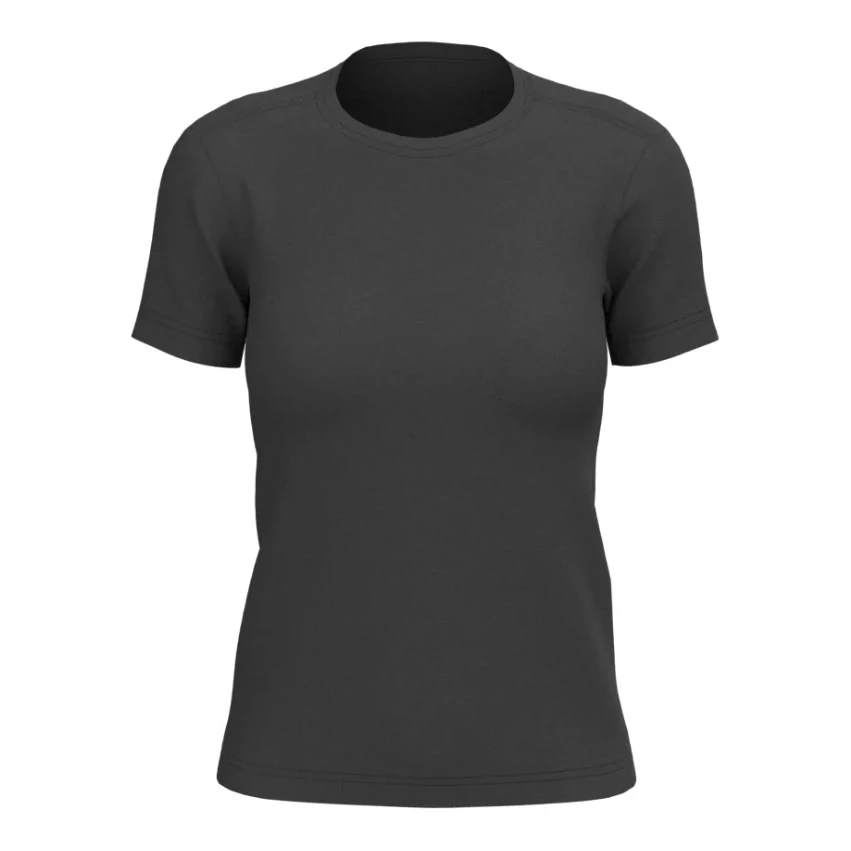
YPF-D093
SS Semi-Fitted Crew Tee
- Seams
- Coverstitch
- Colour
- Black
-
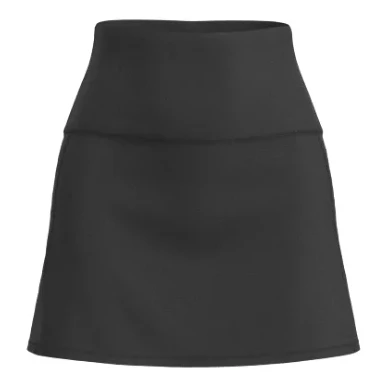
YPF-D127
Knit Skort
Browse everything
By garment type
Parameters
What a quotation is built from
Where a row says it is confirmed per style, that is because the library spans more than one fabric and more than one construction. A single averaged number would fit none of them.
Fabric and composition
Brushed jersey, heather knit, rib and mesh panelling. Composition is quoted per style, once the fabric is fixed.
Weight
Confirmed per style. The entries do not all sit on one weight, so an average would fit none of them.
Waistband
2.5", 3", 4" and 5" bands, plus combined bands such as 5" + 3" where a style folds over.
Rise and length
Full, 7/8, capri and short. Inseam is recorded per style rather than taken from the chart.
Coverage and liner
Lined and unlined, boxer-brief liner where the style is built for training, with or without a pocket.
Colour
Each entry shows the colourway it was developed in. Any colour can be matched to your reference.
Size range
Graded on the charts below, extended on request for plus and maternity.
Branding
Woven labels, heat transfer, embroidery and printed waistbands, applied to your artwork.
Packing
Flat pack, hang or polybag, with the size break in each pack agreed before the run.
Fit
Size charts
The grade this development library is built on. These charts cover the library itself — a style is always confirmed against its own measurement sheet before a run is placed.
Women's sizing
Inseam is quoted as a single figure across the grade; the fit is set by the rise and waistband height of the individual style.
| Size | US | Cup | Bust | Waist | Hip | Inseam |
|---|---|---|---|---|---|---|
| XXS | 0–2 | A–B | 30"–32" | 23"–24.5" | 33"–34.5" | 27" |
| XS | 2–4 | A–B | 32"–34" | 25"–26.5" | 34.5"–36" | 27" |
| S | 4–6 | A–C | 34"–36" | 27"–28.5" | 36"–38" | 27" |
| M | 6–8 | B–D | 36"–38" | 29"–30.5" | 38"–40" | 27" |
| L | 10–12 | B–DD | 38"–40" | 31"–33" | 40"–42" | 27" |
| XL | 12–14 | B–DD | 40"–42" | 34"–36" | 42"–44" | 27" |
| XXL | 14–16 | C–D | 42"–44" | 37"–39" | 44"–46" | 27" |
| XXXL | 16–24 | C–G | 44"–50" | 40"–42" | 46"–48" | 27" |
Men's sizing
The upper two chest bands overlap (XXL 54"–57" and XXXL 56"–59"); treat the boundary as approximate and confirm against a fit sample.
| Size | Chest | Waist | Inseam |
|---|---|---|---|
| XS | 34"–37" | 28"–30" | 33" |
| S | 38"–41" | 32"–34" | 33" |
| M | 42"–45" | 36"–38" | 33" |
| L | 46"–49" | 40"–42" | 33" |
| XL | 50"–53" | 44"–46" | 33" |
| XXL | 54"–57" | 48"–50" | 33" |
| XXXL | 56"–59" | 50"–52" | 33" |
Suggested size breaks
Sizes per 12-piece pack, per colour. Useful for quoting a run without over-ordering the tails of the grade.
| Gender | XS | S | M | L | XL | XXL | Total |
|---|---|---|---|---|---|---|---|
| Women | 1 | 4 | 4 | 2 | 1 | 0 | 12 |
| Men | 0 | 1 | 4 | 4 | 2 | 1 | 12 |
Next step
A quotation against your specification
Send your tech pack and we will place it against the closest construction on file, then come back with the specification differences that actually move the quotation — fabric, weight, waistband, rise, liner, branding. You do not need to pick an entry to start: a tech pack on its own is enough.
If you do not have a tech pack yet, name the closest construction on file and list what you want changed. That list is the brief. Either way the reply is a quotation: price, minimum, lead time and the sampling route, against the specification you asked for.
If nothing on file is close, say so. The library is an index of what we build most often, not the limit of what we can make.

Questions
About the library
What should I send to start?
A tech pack, if you have one — it needs no preparation on our side and it tells us the fabric, weight, measurements, grade and trim in the form you already work in. If you do not have one yet, name the closest construction on file and list what you want changed from it; that list is the brief. Either route gets the same reply: price, minimum, lead time and sampling route.
How does the library fit into a development brief?
It replaces the first round of description. Rather than write out a garment from nothing, you name the closest entry and list the differences from it. That difference list is the brief, and the quotation is written against it, so the price you get back corresponds to the changes you actually asked for.
Can you make a style exactly as it appears here?
Yes, and that is the simplest brief we can take. Most buyers change at least the fabric or the colour, and many change the length or the waistband.
Do the size charts apply to every style?
They describe the grade the library is developed on, which is the default we quote from. A given style is confirmed against its own measurement sheet, and the men's chest grade in particular should be checked at the top of the range before a run is placed.
Is the library the limit of what you can make?
No. It is an index of the constructions we build most often, not a catalogue of everything we can build. A brief that starts outside it is a normal brief.