Construction
Sustainable Yoga Leggings
Recycled and lower-impact fabric options. Certification can only be claimed where the mill supplies it.
How it is built
The fibre changes, the construction does not — and the claim has a limit
A lower-impact legging is usually the same garment built from a different yarn: recycled polyester from post-consumer bottles, or recycled nylon from waste, spun and knitted on the same equipment as the virgin version. The pattern, the seams and the fit do not change; the fibre does.
The limit a buyer has to know about is the claim. A recycled content or a certification can only be stated where it is documented for that fibre and that batch, so a label cannot say more than the mill's paperwork supports. That is why the fibre and the claim are specified together, and why the paperwork is part of the quotation rather than an afterthought.
Fibre content
Recycled polyester from bottles, or recycled nylon. The percentage is stated rather than implied by the word recycled.
Documentation
What the mill can evidence for the batch. This is what a label claim has to stand on.
Hand feel
Recycled yarns have improved considerably, but the hand is judged per fabric rather than assumed to match the virgin version.
Fibre blends
Adding elastane is normal, and the recycled content applies to the main fibre rather than to the whole cloth.
What to specify
What a sustainable order has to settle
Fabric and colour run through every style we make, so they are covered on the fabric page. These four are the ones this cut adds.
The claim you want to make
Which decides what has to be documented, so it is the first thing settled rather than the last.
Target fibre percentage
A figure to be agreed, not a word. It changes which yarns are available.
The market's labelling rules
Different markets allow different wording, so the destination is part of the brief.
Whether hand feel is allowed to move
A close-but-not-identical hand is the usual trade; if it cannot move, that limits the yarns.
What to send
Sustainable brief, in three items
Send these and the reply carries a price. Leave one open and it usually comes back as a question, because the answer decides which fabric and which construction gets quoted. Two routes reach a sustainable order: pick a style from the range and change the fabric, colour, print or trims, which is OEM and ODM; or come with your own label, colours and packaging, which is private label.
Leggings on file
A sample of the range
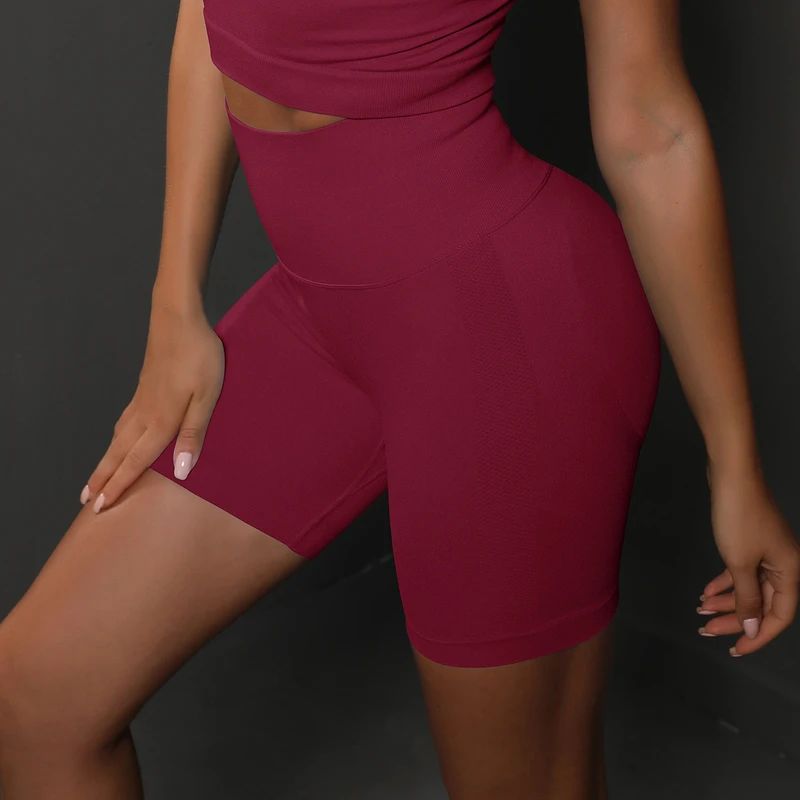
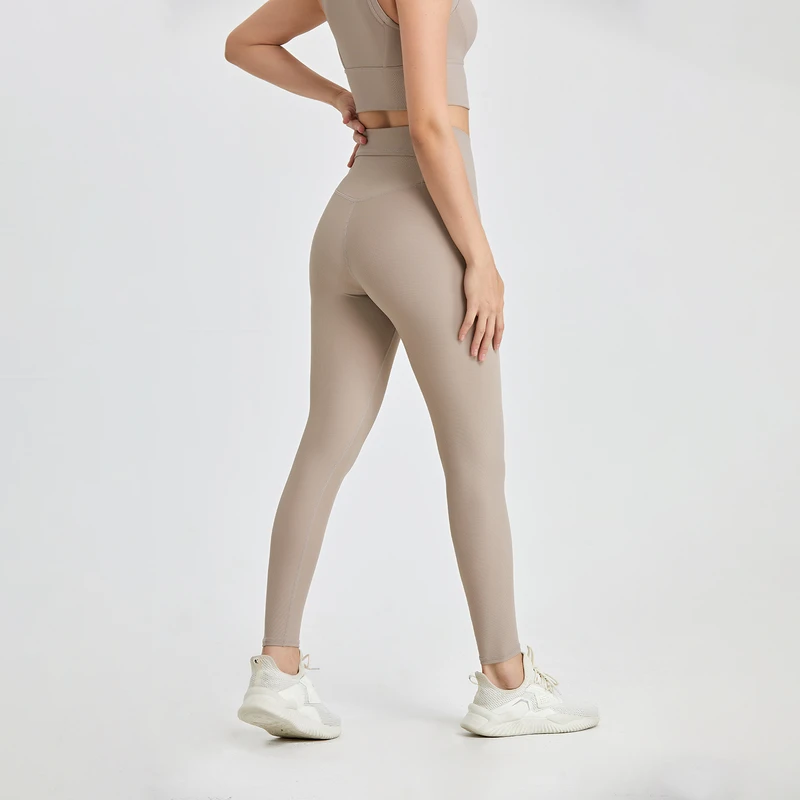
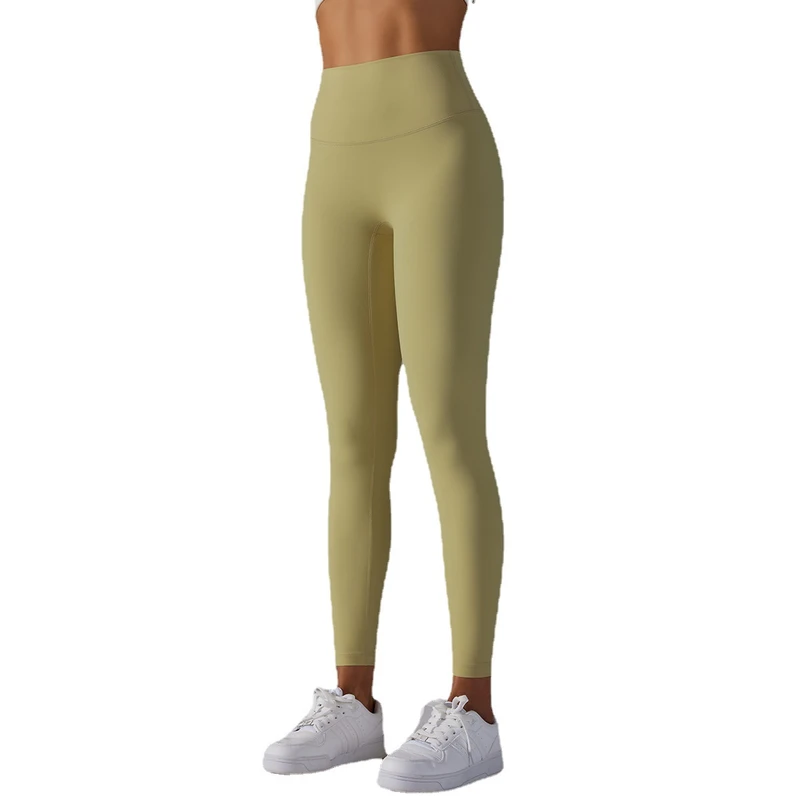
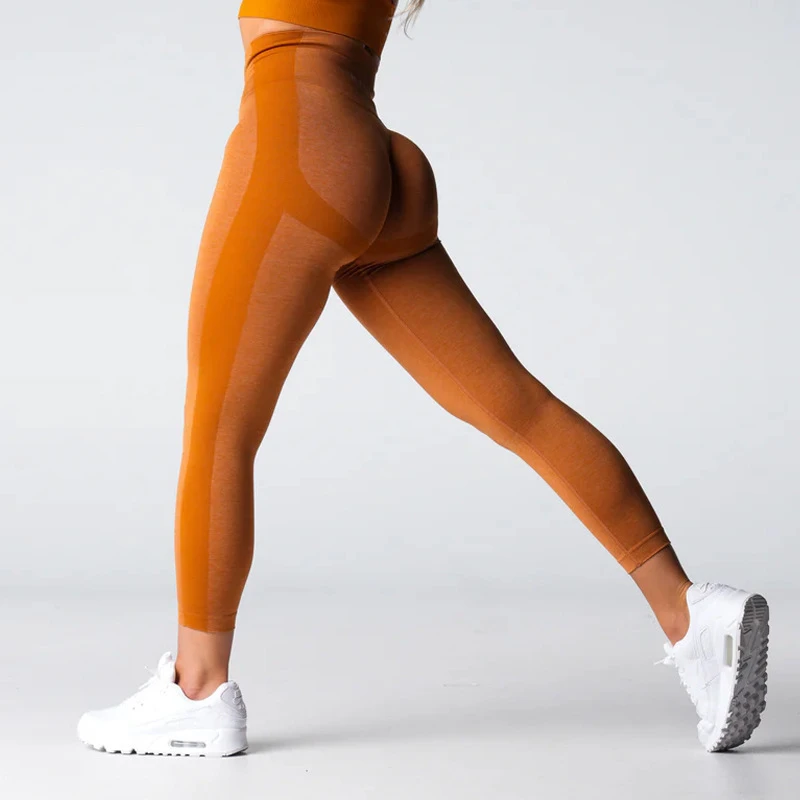
The constructions above are made to order rather than held in stock. These are legging styles currently on file, to show the fabrics and colour directions in use.
Questions buyers ask about this cut
Sustainable leggings, answered
Can we put "recycled" on the label?
Only as far as the documentation supports. Recycled content is evidenced per fibre and per batch, so the wording on a label has to sit inside what the mill can show for that order. That is why the claim is raised at the brief stage rather than added at packing.
Is recycled fabric as durable?
Modern recycled yarns perform close to virgin equivalents in a legging, because the difference is in the fibre's origin rather than in how it is knitted. The honest answer is that it is judged per fabric: a swatch is worn and washed like any other before it is approved.
Does recycled yarn feel different?
It can, and the difference is usually in the hand rather than in the stretch. Fine-denier recycled yarns with the same finish get close. If hand feel is fixed to a reference garment, say so early, because it narrows which yarns can be used.
Fabrics
What the fabric is specified in
Four parameters decide whether a legging feels right and stays opaque. They are agreed before sampling so the first sample is judged against a number rather than an impression.
Other constructions