Construction
Flared Yoga Leggings
Fitted through the thigh and flared from the knee, in the softer fabrics rather than performance knits.
How it is built
Two specs decide the silhouette: where the flare starts, and how wide it ends
A flared legging is fitted to a point and then widened. The two numbers that carry the whole look are the height at which the flare begins and the circumference at the hem. A flare that starts at the knee and one that starts mid-calf are visibly different garments even when the hem width is identical.
The hem finish matters more here than on a tapered leg, because the opening is wide and the edge is on show. A plain coverstitched hem is the usual answer; a folded or faced hem gives a weightier edge that holds the flare's line, and it needs the fabric to be willing.
Flare start point
At the knee, above it, or below it. Measured from the crotch or from the floor, not described as "mid".
Hem circumference
The single figure that decides whether the leg reads as a flare or as a wide-leg.
Hem finish
Coverstitch, a folded hem, or a faced hem. Each gives a different weight to the bottom edge.
Fabric choice
Flare sits better in a softer, drapey knit than in a firm performance fabric, which tends to stand away from the leg.
What to specify
What a flared order has to settle
Fabric and colour run through every style we make, so they are covered on the fabric page. These four are the ones this cut adds.
Where the flare begins
The pattern change that defines the style, and the one that most affects how the leg photographs.
Hem width
Given in centimetres. A hem that is too narrow reads as a straight leg and the style is lost.
Hem construction
Decides how the bottom edge behaves after washing, which is where wide hems show their age.
Rise and waistband
A flared style is often worn as a lifestyle piece, so the rise is sometimes set lower than on a training legging.
What to send
Flared brief, in three items
Send these and the reply carries a price. Leave one open and it usually comes back as a question, because the answer decides which fabric and which construction gets quoted. Two routes reach a flared order: pick a style from the range and change the fabric, colour, print or trims, which is OEM and ODM; or come with your own label, colours and packaging, which is private label.
Leggings on file
A sample of the range
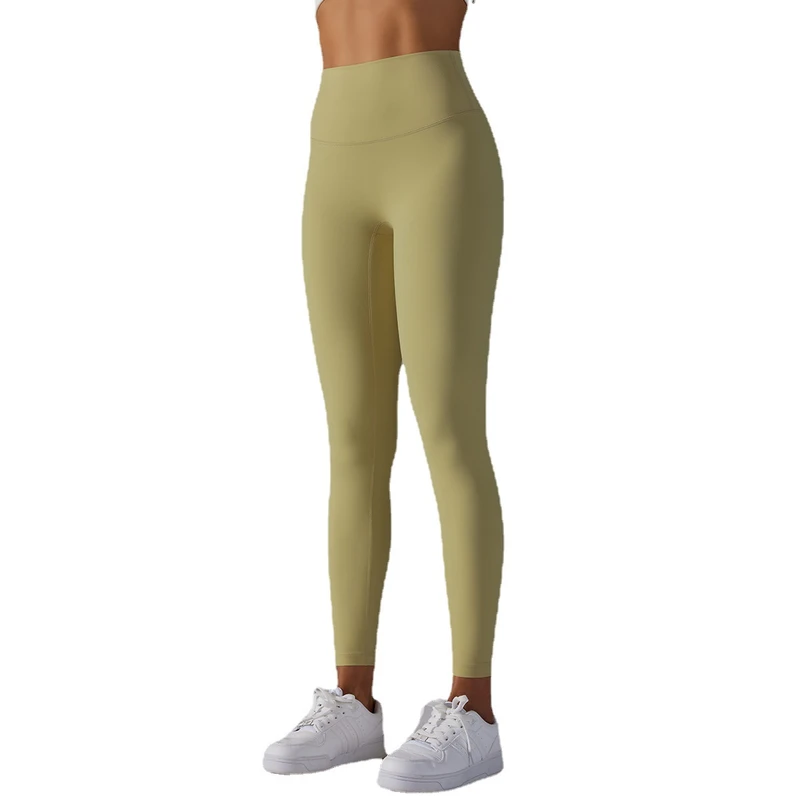
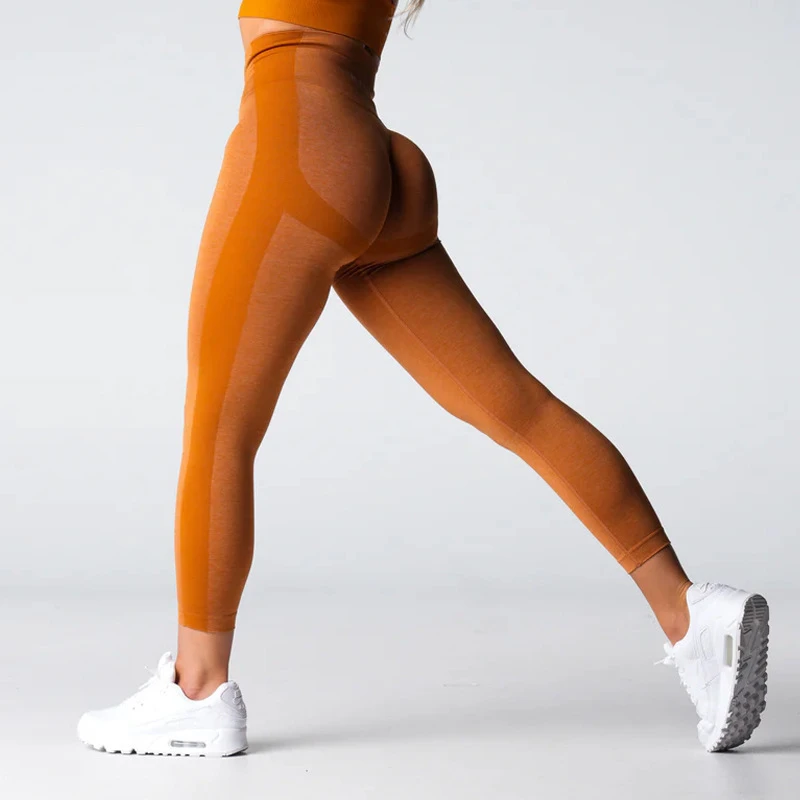
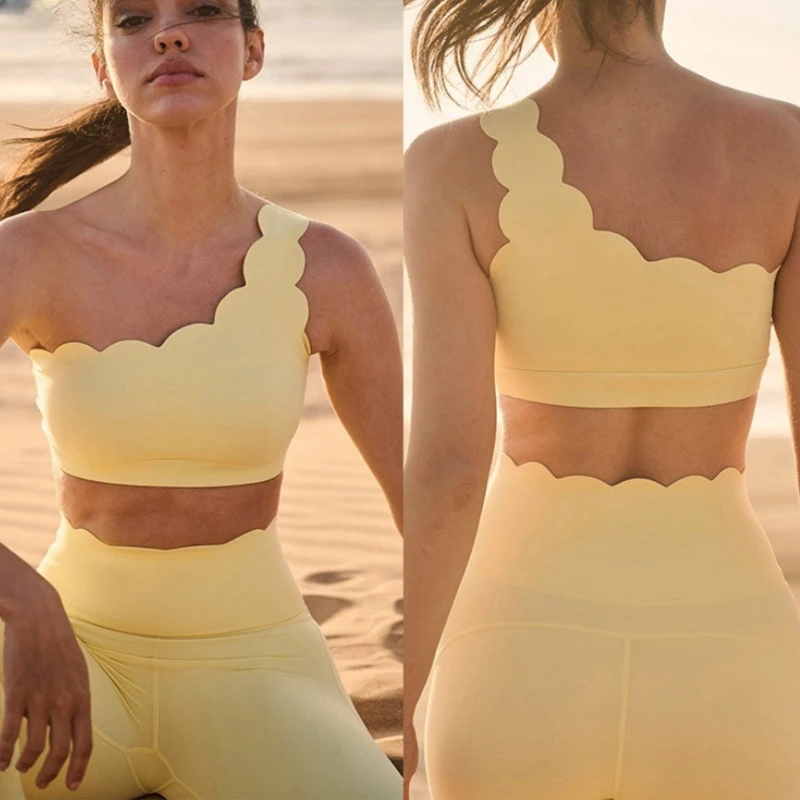
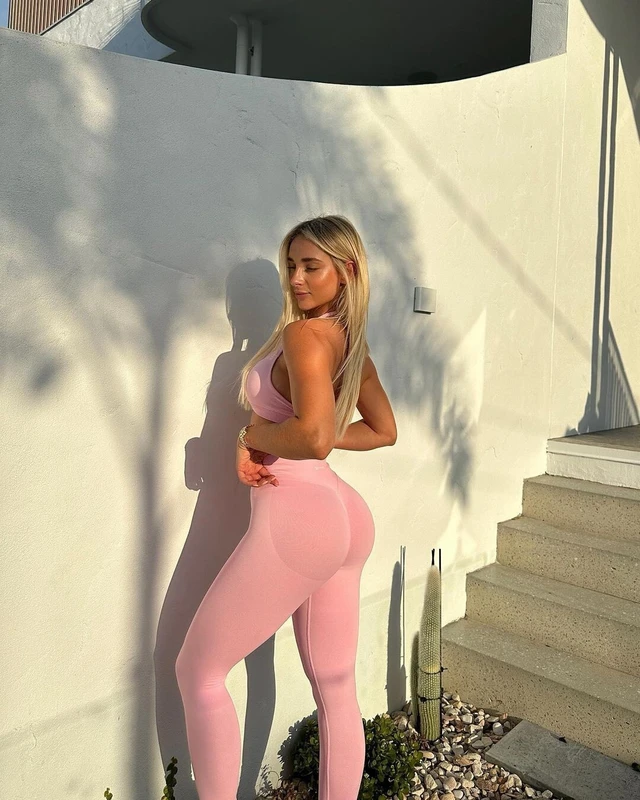
The constructions above are made to order rather than held in stock. These are legging styles currently on file, to show the fabrics and colour directions in use.
Questions buyers ask about this cut
Flared leggings, answered
Why does my flared legging stand away from the leg?
Almost always the fabric rather than the pattern. A firm, high-recovery performance knit holds its own shape and pushes the flare outwards; a softer knit with more drape falls closer to the line you drew. The pattern is the same either way.
Can a flare be cut from an existing straight-leg pattern?
The leg pattern is redrawn from the flare point down, so it is a new leg rather than an adjustment. The rise, the waistband and the size grade can usually carry over unchanged.
Does the hem need a different finish?
It is worth considering. A wide hem on a plain coverstitch is fine but light; a folded or faced hem gives the opening a bit of weight so the flare keeps its shape instead of curling.
Fabrics
What the fabric is specified in
Four parameters decide whether a legging feels right and stays opaque. They are agreed before sampling so the first sample is judged against a number rather than an impression.
Other constructions