Fit block
Plus Size Yoga Leggings
Graded from its own block rather than scaled up from the straight sizes, which is what stops the waistband rolling and the fabric going thin over the hip.
How it is sized
Graded from its own block, because scaling a straight pattern is what causes the faults
A plus-size range is not a straight range enlarged. Scaling a pattern up moves every point by a percentage, but bodies do not change by a percentage: the difference between waist and hip widens, the rise changes, and the thigh needs more room than a proportional scale gives it. A scaled-up waistband is also the most common reason a band rolls, because the band is asked to hold more circumference with the same depth and the same tension.
So the range is graded from its own block, which means its own pattern work, its own fit approval and its own retained standard. That is more development than extending an existing grade, and it is the difference between a range that fits and a range that is a straight size with larger labels in it.
Its own block
The pattern is built for the range rather than scaled from a smaller size, so the rise, the thigh and the waist-to-hip difference are set for the bodies being fitted.
Waistband construction
The band carries more circumference, so depth, tension and sometimes a hidden elastic are specified for the larger sizes rather than inherited.
Fabrics under more stretch
A cloth is stretched further over a larger hip, so recovery and opacity are judged on the largest size in the range, not the smallest.
Measurements, not labels
What matters is the waist, hip and inseam each size finishes at, since size labels differ between markets.
What to specify
What a plus size order has to settle
Fabric and colour run through every style we make, so they are covered on the fabric page. These four are the ones this cut adds.
The size range and what each size finishes at
Given as measurements rather than as labels, so the grade is built to numbers rather than to a naming convention.
Whether the waistband needs its own construction
Larger circumferences often need a deeper band or a hidden elastic to stop the band rolling.
Where the fabric is checked
On the largest size, because that is where opacity and recovery are under most strain.
Whether the grade starts from scratch
Building a new block is more development than extending an existing one, and it is what makes the range fit.
What to send us
Plus Size brief, in three items
Send these and the reply carries a price. Leave one open and it usually comes back as a question, because the answer decides which fabric and which construction gets quoted. Two routes reach a plus size order: pick a style from the range and change the fabric, colour, print or trims, which is OEM and ODM; or come with your own label, colours and packaging, which is private label.
Leggings on file
A sample of the range
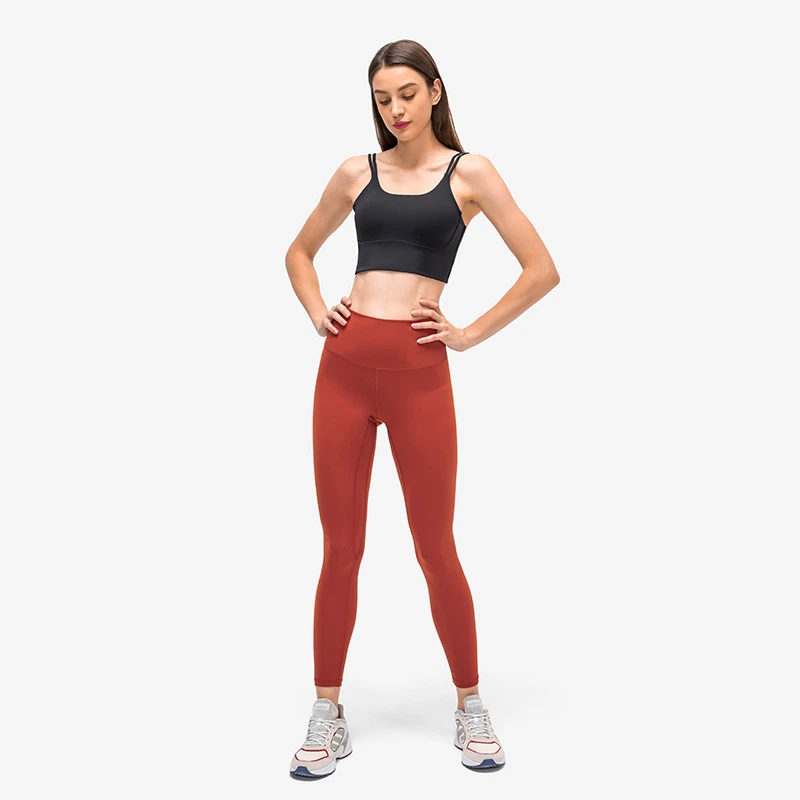
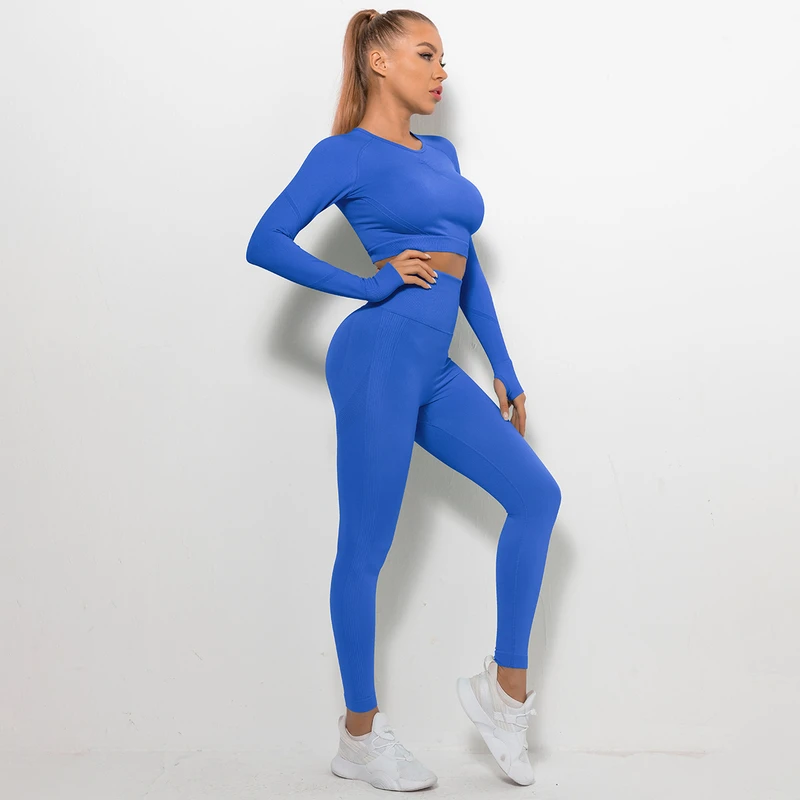
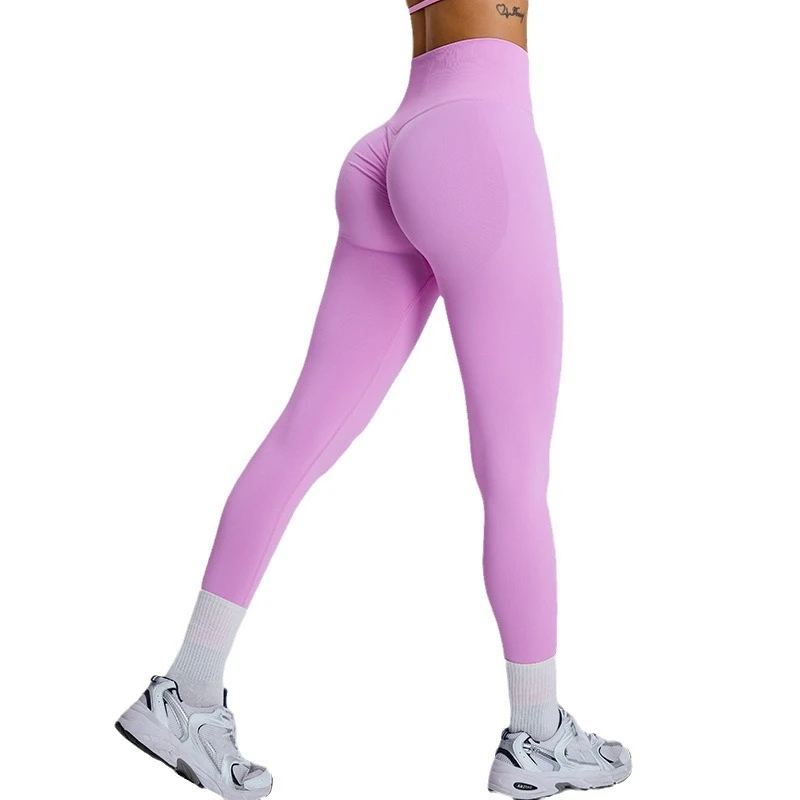
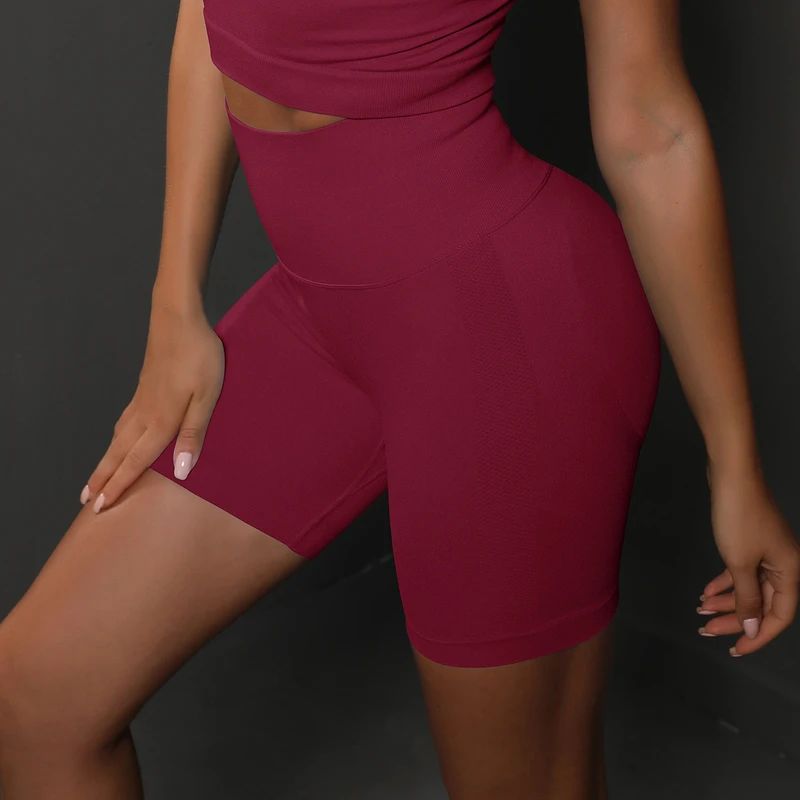
The constructions above are made to order rather than held in stock. These are legging styles currently on file, to show the fabrics and colour directions in use.
Questions buyers ask about this cut
Plus Size leggings, answered
Why not simply scale up an existing pattern?
Because bodies do not scale proportionally. The waist-to-hip difference widens, the rise changes and the thigh needs more room than a percentage increase allows. Scaling is what produces a rolled waistband and a fabric that goes thin over the hip — the two faults buyers complain about most.
Does a plus-size range cost more to develop?
It needs its own block and its own fit approval rather than an extension of an existing grade, so there is more pattern work behind it. The garments themselves are made the same way; it is the development that differs, and it is quoted with the order.
Can it use the same fabrics as the straight range?
It can, and usually should so the range reads as one collection — but the fabric is judged on the largest size, because that is where stretch, recovery and opacity are under the most strain. A cloth that passes at a small size can fail at the largest.
Fabrics
What the fabric is specified in
Four parameters decide whether a legging feels right and stays opaque. They are agreed before sampling so the first sample is judged against a number rather than an impression.
Other fit blocks