Construction
Custom Printed Yoga Leggings
All-over print, placement print or tie-dye. Bring artwork or ask us to work from a reference.
How it is built
Printing a fabric that stretches, and what that does to artwork
A printed legging is printed as fabric, not as a finished garment, so the artwork has to be prepared as a repeating tile that will be cut from. The stretch is the complication: a design that reads correctly on the roll distorts where the garment stretches, most visibly across the hip and the knee.
The base matters too. Printing onto a white or a light base keeps colours bright; printing onto a dyed base changes every colour in the artwork and is chosen when the design wants depth rather than brightness. Which one applies is decided before the artwork is finalised, because it changes the colours you will get.
Print method
Digital for shorter runs and more colours; rotary or screen for longer runs with fewer colours. The artwork requirements differ between them.
Tile and repeat size
How large the repeating unit is. A large repeat avoids obvious mirroring on a garment; a small one shows it.
Base colour
White, light, or dyed. It shifts every colour in the design and is agreed before the artwork is locked.
Placement or all-over
An all-over print is a fabric decision; a placement print is a print-position decision on a cut panel.
What to specify
What a printed order has to settle
Fabric and colour run through every style we make, so they are covered on the fabric page. These four are the ones this cut adds.
The method, which follows from the run length
Shorter runs suit digital; longer runs with few colours suit rotary. The two need different artwork preparation.
The base
Decides whether the colours come out bright or deep, so it is settled before the design is finalised.
Repeat size and direction
How the tile lands on the leg panels, and whether it should be directional or random.
Colour references
Every colour in the artwork is referenced, because a screen cannot be matched by eye from a photograph.
What to send
Printed brief, in three items
Send these and the reply carries a price. Leave one open and it usually comes back as a question, because the answer decides which fabric and which construction gets quoted. Two routes reach a printed order: pick a style from the range and change the fabric, colour, print or trims, which is OEM and ODM; or come with your own label, colours and packaging, which is private label.
Leggings on file
A sample of the range
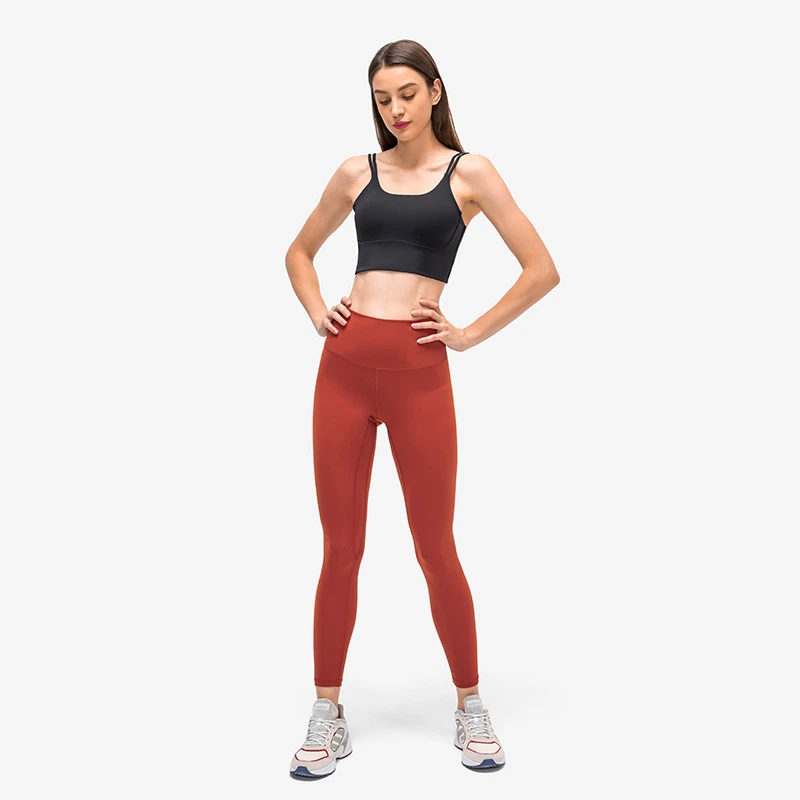
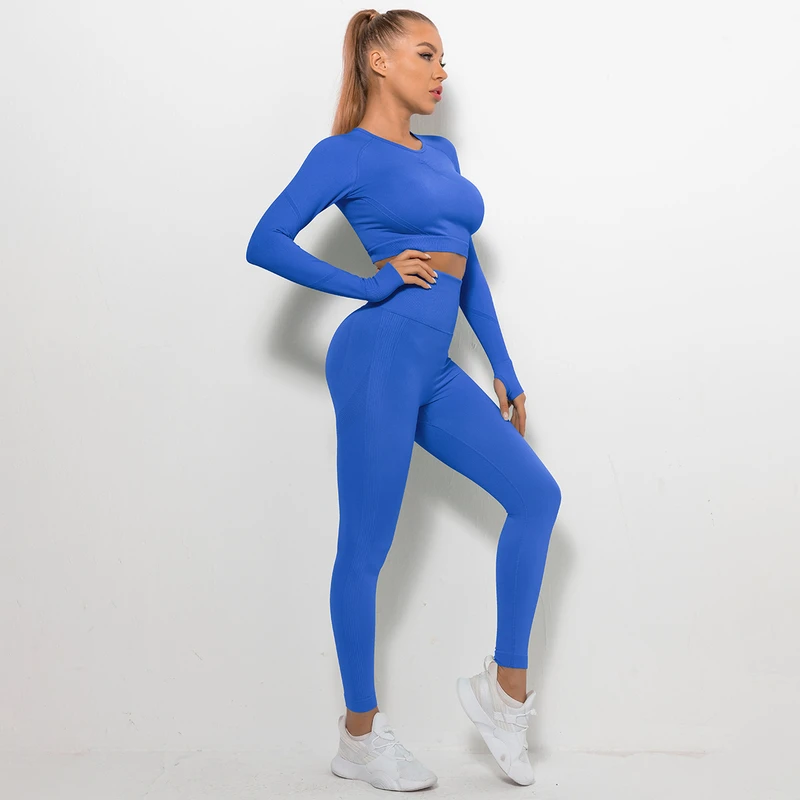
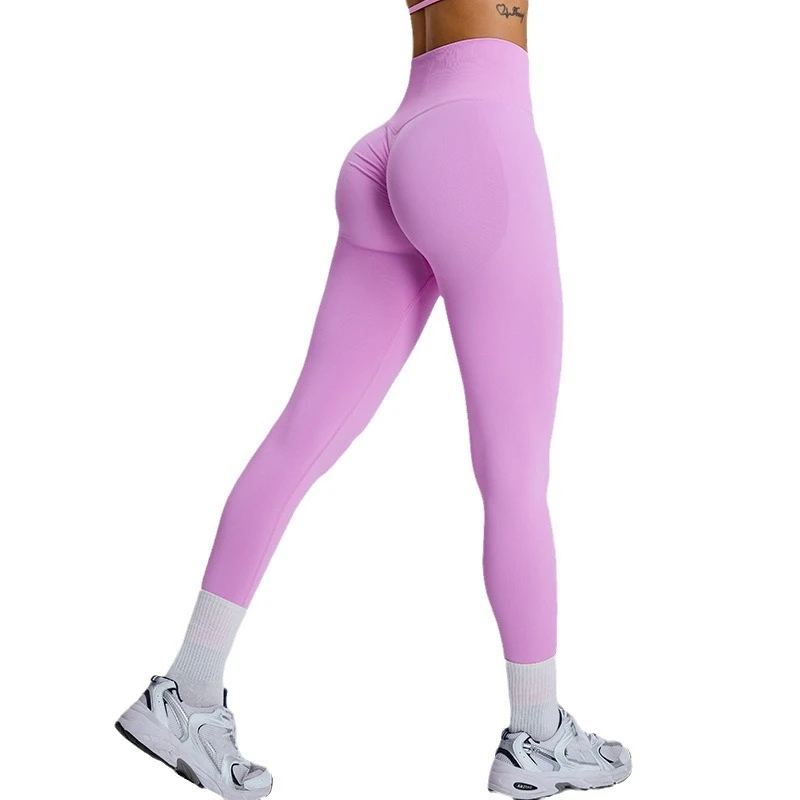
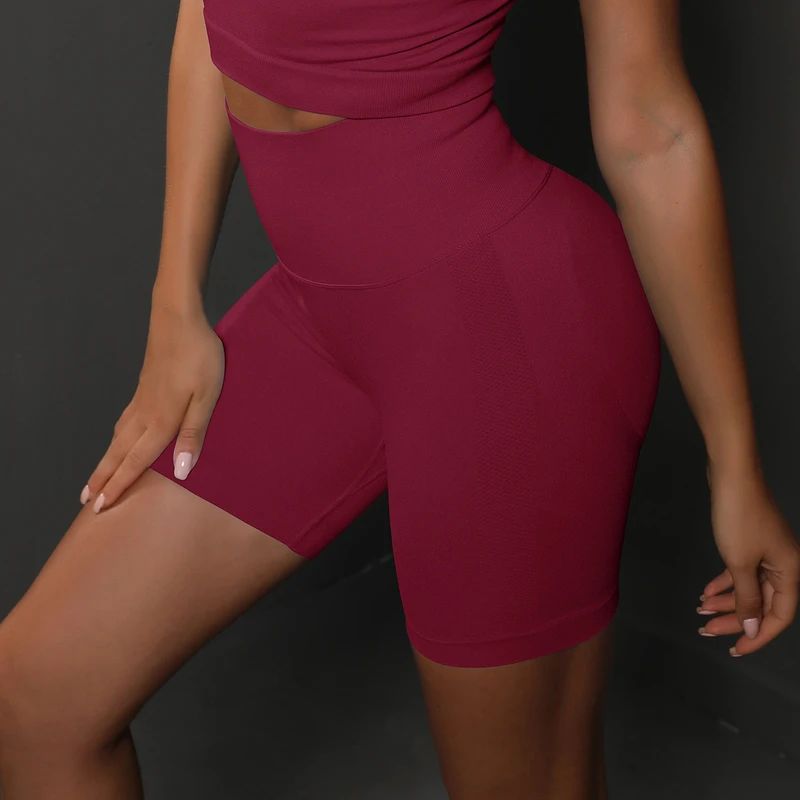
The constructions above are made to order rather than held in stock. These are legging styles currently on file, to show the fabrics and colour directions in use.
Questions buyers ask about this cut
Printed leggings, answered
Will the print distort when the legging is worn?
It stretches with the fabric, which is unavoidable on a knit. The way to manage it is the design: larger motifs and looser repeats hide the distortion, while fine geometric lines make it obvious. That is a reason to agree the repeat size before the artwork is finished.
What file do you need?
Vector artwork is ideal because it scales without losing edges. If only raster is available, it needs to be high resolution at the finished print size. A photograph of an existing print can be redrawn, but the result is a redraw rather than a match.
Can a print be combined with a custom colour?
Yes, but the two interact: the print sits on a base, so the base colour shifts every colour in the design. That is why the base is chosen before the artwork is finalised rather than after.
Fabrics
What the fabric is specified in
Four parameters decide whether a legging feels right and stays opaque. They are agreed before sampling so the first sample is judged against a number rather than an impression.
Other constructions