Construction
Buttery Soft Yoga Leggings
The nude-feel hand that yoga buyers ask for: brushed on the inside, matte on the outside.
How it is built
Hand feel is built at the mill, not bought by the gram
Buttery soft is a hand feel, and hand feel comes from three things that are chosen separately: the yarn, whether the inner face is brushed or peached, and the finish the mill applies last. None of them is weight. Two fabrics at the same GSM can feel completely different, which is why a range specified only in grams comes back feeling unlike the sample that sold it.
The usual route is a fine-denier yarn, often a polyester and spandex blend, with the inside brushed to raise a short nap and the outside left matte. The nap is what a buyer's fingers read as soft; the matte face is what stops the legging looking shiny under studio lighting.
Yarn denier
Finer filaments give a smoother surface. This is the biggest single lever on hand feel and it is invisible in a specification sheet.
Brushed or peached inner face
Brushing raises a nap; peaching sands it. They feel different in the hand and behave differently after repeated washing.
Matte outer face
Decided at the mill. A shiny face will read as performance wear rather than as the nude-feel legging the range is trying to be.
What brushing does to opacity
A raised inner face changes how light passes through the cloth, which is why opacity is checked on the finished fabric rather than on the greige.
What to specify
What a buttery-soft order has to settle
Fabric and colour run through every style we make, so they are covered on the fabric page. These four are the ones this cut adds.
The yarn, not just the weight
Two suppliers can quote the same GSM and deliver a different hand, so the yarn is specified explicitly.
Brushed, peached, or plain
A construction decision on the fabric with a visible effect on the inside of the finished garment.
How matte the face must be
Relevant when the style will be photographed or sold under studio lighting.
The lightest colour in the range
Brushing and light colour are the combination most likely to go sheer, so opacity is judged there rather than in black.
What to send
Buttery-Soft brief, in three items
Send these and the reply carries a price. Leave one open and it usually comes back as a question, because the answer decides which fabric and which construction gets quoted. Two routes reach a buttery-soft order: pick a style from the range and change the fabric, colour, print or trims, which is OEM and ODM; or come with your own label, colours and packaging, which is private label.
Leggings on file
A sample of the range
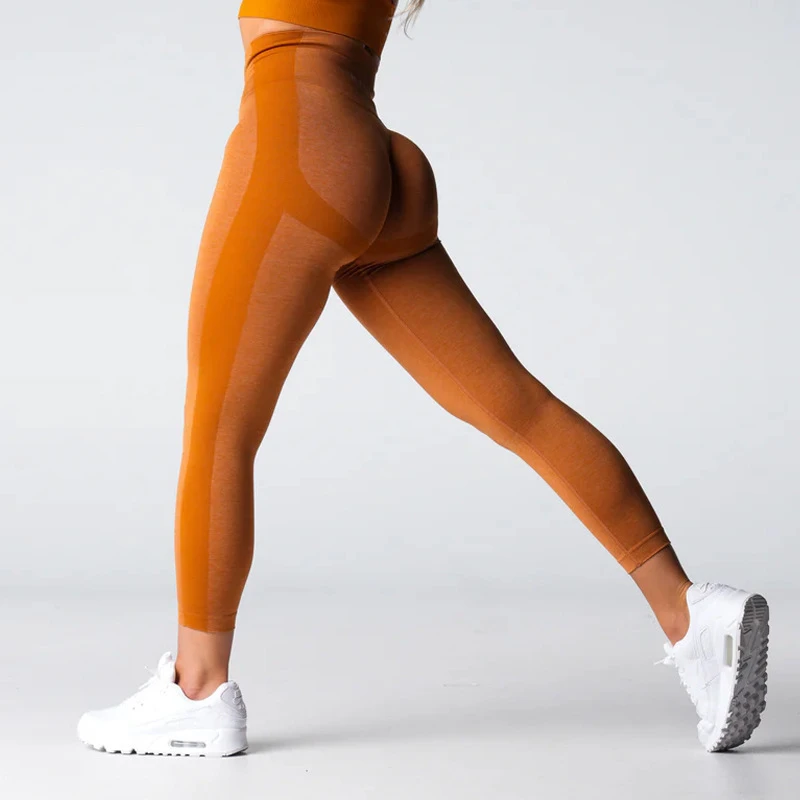
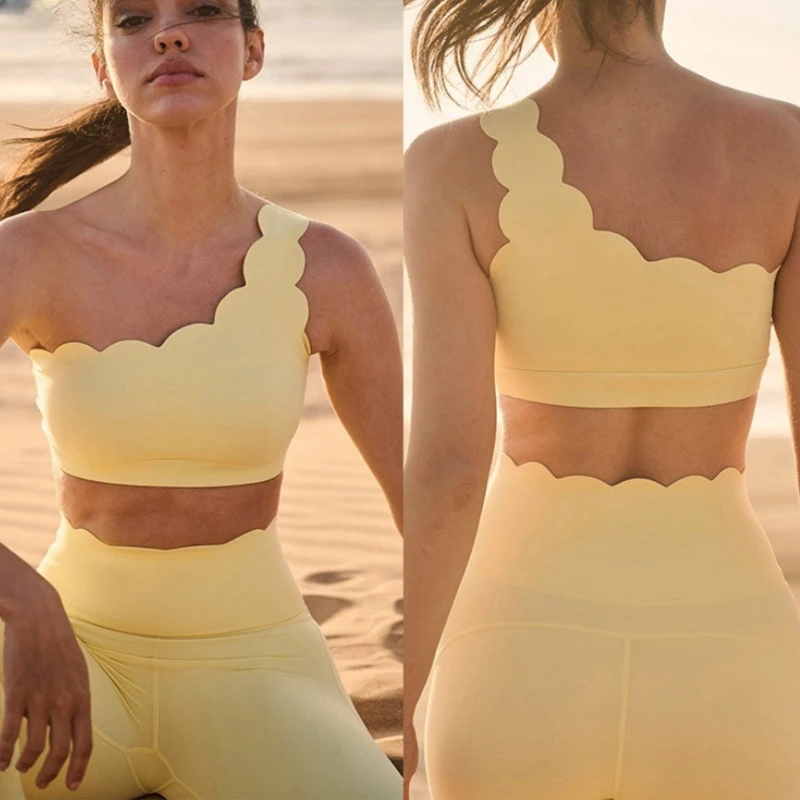
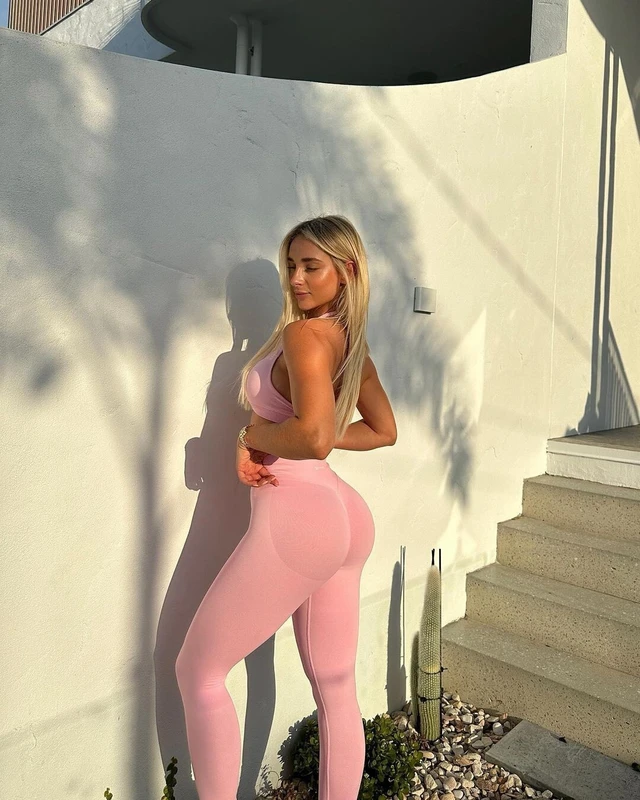
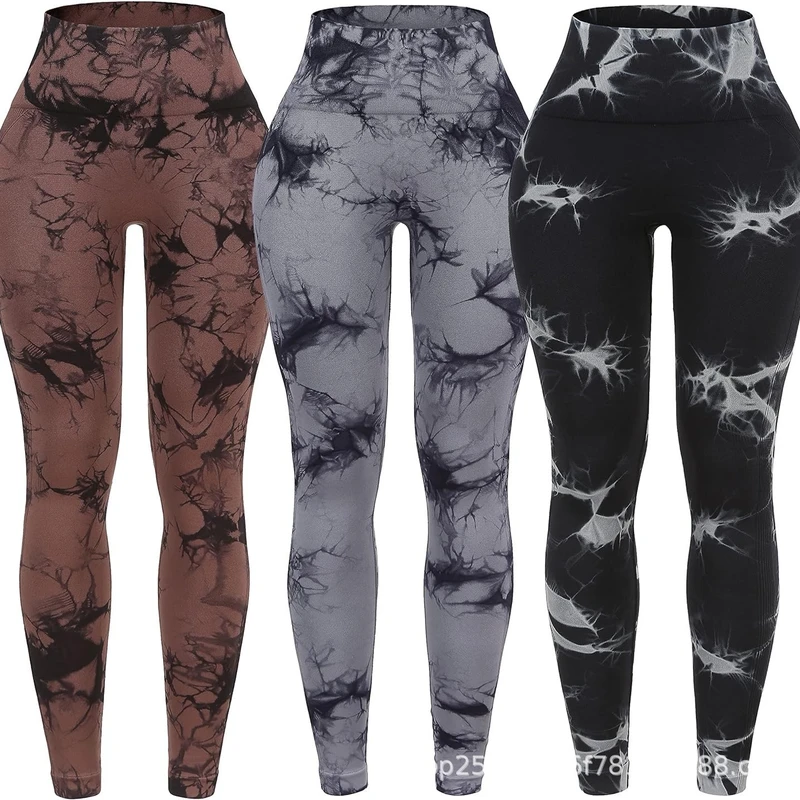
The constructions above are made to order rather than held in stock. These are legging styles currently on file, to show the fabrics and colour directions in use.
Questions buyers ask about this cut
Buttery-Soft leggings, answered
Why can't I just specify a GSM for a soft fabric?
Because weight and hand feel are different measurements. A 240 GSM fabric can feel coarse and a 200 GSM one can feel like a second skin — the difference is the yarn and the finish, both of which are invisible in a gram figure. Send a reference piece and the fabric is matched on feel rather than on weight.
Does brushing wear off?
A brushed face is a raised nap, so it changes with washing and with friction the way any napped cloth does. Peaching tends to hold its character longer; brushing gives the softer first impression. Which is right depends on how the buyer expects the garment to age.
Can a recycled fabric feel this soft?
It can come close with a fine-denier recycled yarn and the same brushing. It is a per-fabric question rather than a category one, so it is settled by a swatch rather than by a claim.
Fabrics
What the fabric is specified in
Four parameters decide whether a legging feels right and stays opaque. They are agreed before sampling so the first sample is judged against a number rather than an impression.
Other constructions