Sourcing guide
How MOQ Works for Yoga Leggings
Why the minimum is usually counted per colour rather than per style, and how to test a design without over-ordering.
In this guide
Ask five suppliers for a minimum order quantity and you will get five different numbers, which makes it look arbitrary. It is not. The minimum comes from a specific step in the process, and once you know which step, the number stops being a mystery and starts being something you can plan around.
This guide explains where the floor actually comes from, why it is usually counted per colour rather than per style, and how buyers test a design without over-ordering.
Section 1 of 4
Why the minimum is per colour, not per style
Cutting fabric is cheap to start and cheap to stop. A cutting table can run ten pieces or a thousand, and the cost per piece barely moves. Dyeing is the opposite: a dye house loads a machine with a fixed volume of water and dye, and running it half full costs almost the same as running it full. That fixed bath is the minimum, and it is measured in metres of fabric, not in garments.
This is why a minimum is quoted per colour. One style in one colour is one dye bath. The same style in six colours is six baths, and each one carries its own floor. Buyers who ask for a single minimum for a whole range are usually asking for a number that cannot exist.
There is a second effect worth knowing. Fabric is knitted in a tube or a roll, and a roll has a practical minimum length before the mill will set up the machine. If your order needs less fabric than that, you are not buying a short roll — you are buying a share of a longer one, and the mill decides whether your colour is worth interrupting its schedule for.
Section 2 of 4
What usually sets the floor
Three things push the number in different directions. The fabric minimum sets the smallest amount the mill will run. The dye-lot minimum sets the smallest amount the dye house will dye. Cutting efficiency sets how much fabric a style wastes, because a pattern that nests badly needs more fabric per garment and therefore reaches the fabric minimum sooner.
Stock fabric sidesteps the first two. If the colour already exists and is held on the shelf, there is no mill run and no dye bath, so the floor drops sharply — often to whatever the cutting and sewing line is willing to interrupt itself for. This is why the fastest and smallest first orders are almost always placed in a colour the supplier already holds.
Custom colour is what raises the floor, not the style. A buyer can change the rise, the waistband, the pocket and the print and stay within the same minimum, because none of that touches dyeing. Change the colour and the number moves.
Section 3 of 4
Testing a design without over-ordering
The usual approach is a staged first order. Run the new style in a stock colour and a small quantity to find out whether the fit sells. Once it has sold, place the repeat in a custom colour at the larger minimum, where the extra volume is paying for a colour you already know works.
The second approach is to spread the range across fewer colours. Three colours that sell well beat six that half-sell, and each colour you drop removes a dye bath from the order. Buyers who plan a first range around four or five colours rather than ten usually find the minimum is no longer the constraint.
The third is to accept a smaller range of sizes for the trial. If the size curve is not yet known, a trial in the middle of the range tells you more per unit than a full size run of a style nobody has worn.
Section 4 of 4
Questions worth asking a supplier
Ask what the minimum is per colour, not per order. Ask whether it changes for a stock fabric versus a custom dye. Ask whether the minimum is set by the mill, the dye house or the sewing line, because that tells you which one has room to move. Ask what happens to the price per unit as the quantity rises, so you can see where the curve flattens. And ask what the sample costs and whether it is credited against the order.
A supplier who answers those five questions with a number and a reason is quoting. A supplier who answers with a range and no explanation is guessing, and the number will move once you commit.
In short
The minimum is a dye bath, not a garment count. Ask for it per colour, choose stock fabric for a first run, and keep the colour count of a new range small until the fit has sold.
Briefing us
Six decisions and the quote is a number
Most quotes stall because one of these is still open. Send all six in one message and the reply carries a unit price, a minimum and a lead time for the quantity you asked about.
Style or reference
A photograph, a sample garment, or a style from the range. A reference piece beats a description.
Fabric
Weight, stretch and hand feel. If you are not sure, ask for the swatch card before choosing.
Colour
A colour reference, a swatch you send, or a stock colour from the range.
Size grade
The size range you sell, and the measurements you need held to.
Quantity per colour
Dyeing carries the minimum, not cutting, so quantity is quoted per colour rather than per style.
Branding and packing
Your woven label, care label, hang tag, and how the cartons should be packed.
Before you enquire
The questions buyers ask first
Answered the same way here as they are by email — including the ones where the honest answer is that the number moves with the order.
What is the minimum order quantity?
We do not publish a minimum we cannot hold to. The floor is set by the fabric and the dye lot, so it moves with the colour and the style you choose. Tell us the style, the fabric and the quantity you have in mind and the minimum comes back with the quote.
Can you match a sample we already have?
Yes. Send the garment and we work from it: fabric weight, stretch, rise, inseam and size grade, followed by a wear-test piece before any production run.
Do you make tops and bras as well as leggings?
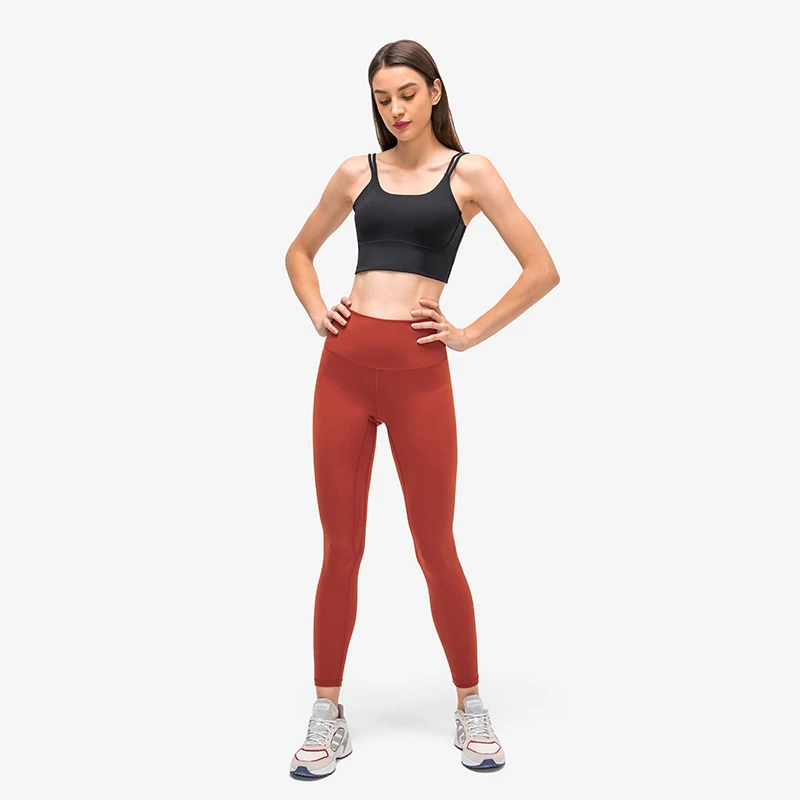
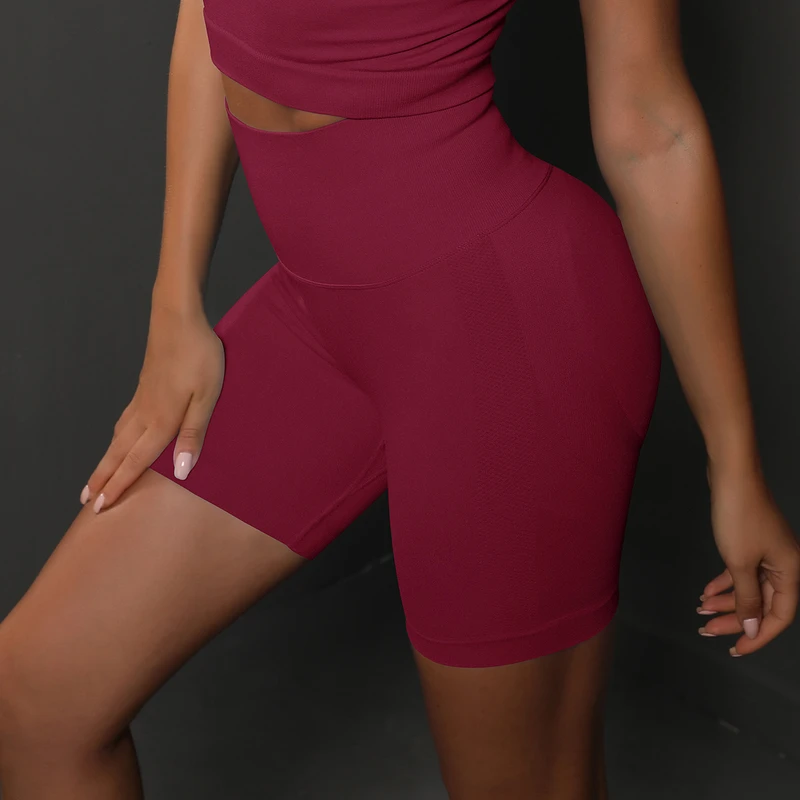
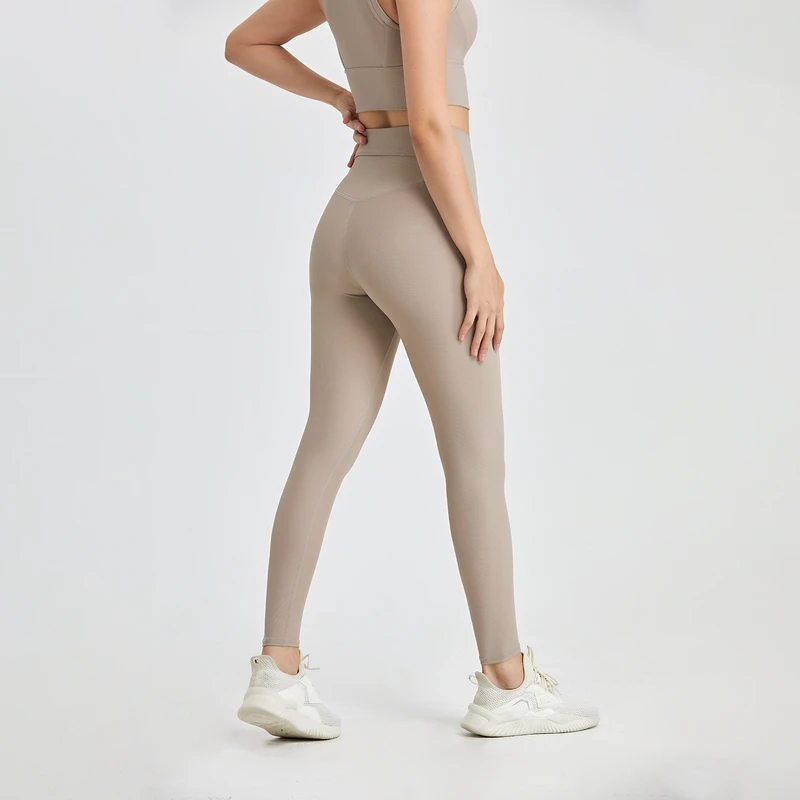
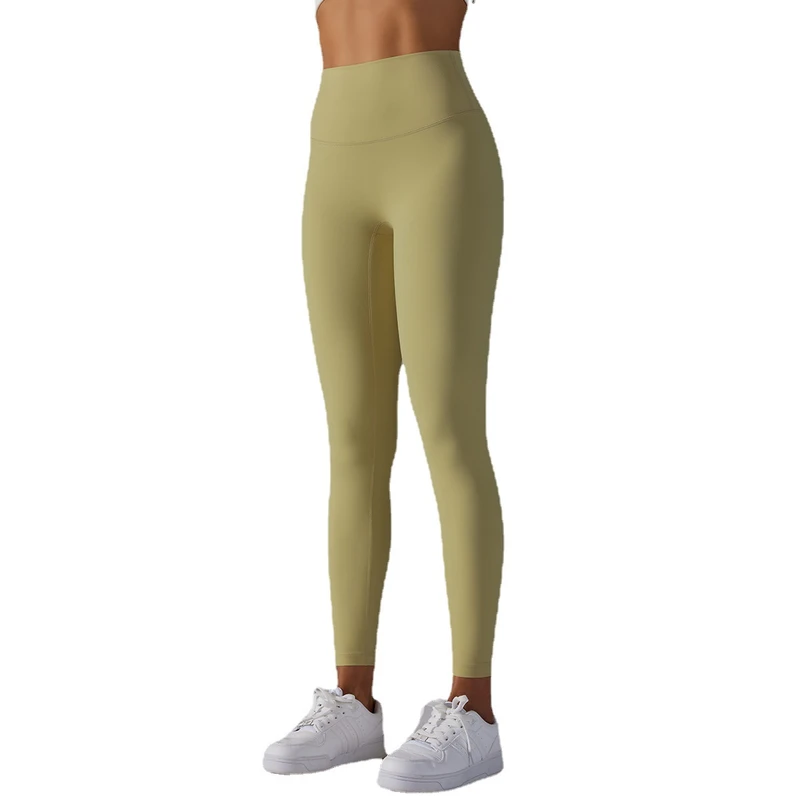
Yes. Leggings are the main line, with shorts, skirts, tanks, sports bras and matched sets made from the same fabrics so the range reads as one collection rather than a pile of separates.
How long does production take?
It depends on the fabric, the quantity and the season, so it is given per enquiry rather than published as a flat figure. The decisions listed above are the ones that move it most.
Can we use our own label and packaging?
Yes. Woven labels, printed care labels, hang tags and packaging are all part of private label production, and they are quoted with the garments rather than added afterwards.
How is opacity checked before a run?
The fabric is stretched as it would be worn and checked against a contrasting background in daylight. The check is done in the lightest colour in the range, because the fabric that passes in black is the one that fails in white.
From the range
Styles these decisions apply to
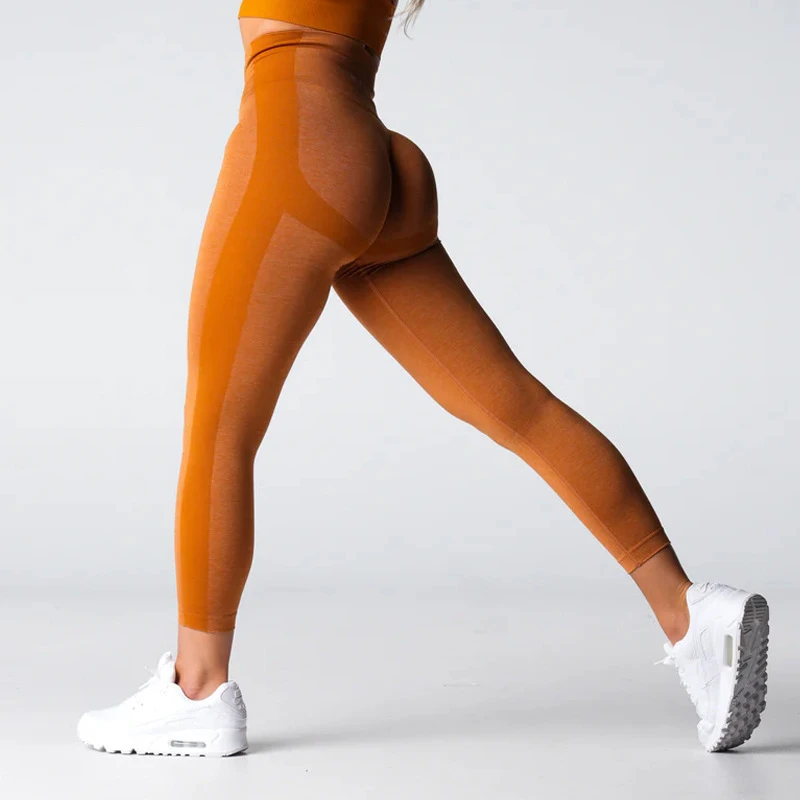
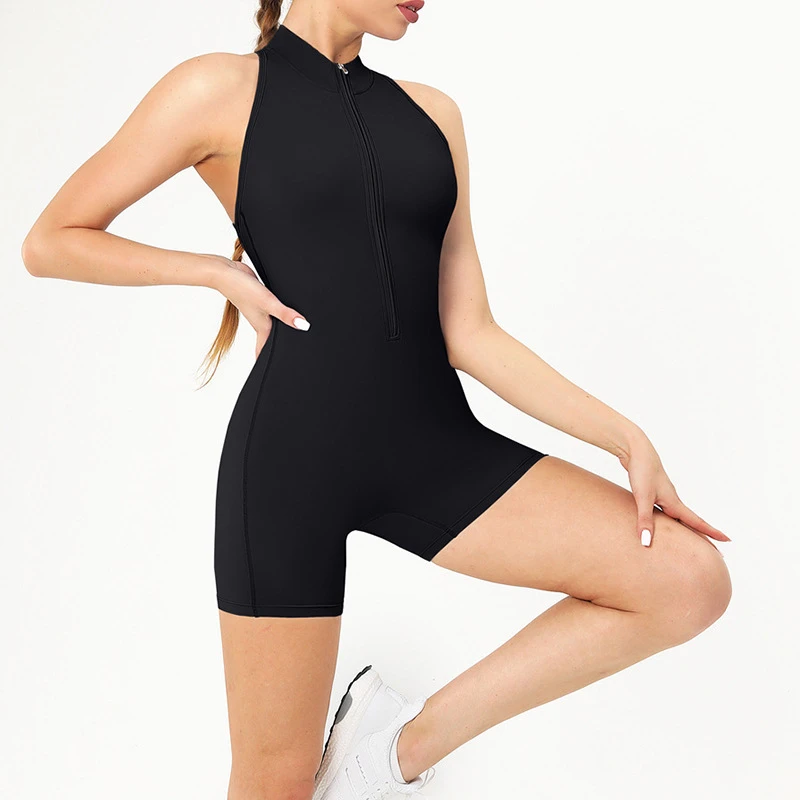
Everything above is about the order rather than the garment. These are the styles it gets applied to.
More guides
The rest of the sourcing library
Written for the person who has to make the sourcing decision, not for a shopper.
GSM and Buttery-Soft Fabric: Reading the Numbers
What fabric weight actually tells you about how a legging feels, and where the description stops being useful.
Read the guide →Yoga Leggings vs Gym Leggings: What Changes in the Fabric
The same silhouette, two different fabrics. What yoga buyers care about, and what gym buyers will not accept.
Read the guide →How Squat-Proof Is Actually Tested
Opacity is measurable. How buyers verify it before a run rather than after a complaint.
Read the guide →The Private Label Process, Step by Step
From first message to packed carton: what happens at each stage and which decisions block the next one.
Read the guide →