Sourcing guide
Yoga Leggings vs Gym Leggings: What Changes in the Fabric
The same silhouette, two different fabrics. What yoga buyers care about, and what gym buyers will not accept.
In this guide
A yoga legging and a gym legging look identical in a photograph. Same silhouette, same waistband, often the same colour. The difference is entirely in the fabric, and it is large enough that the two are usually made by different workshops with different equipment.
This guide covers what each buyer is actually asking for, and why the same factory rarely serves both well.
Section 1 of 4
The silhouette looks the same
Both are a close-fitting leg covering with a wide waistband. Seen flat, the pattern pieces are nearly interchangeable, which is why buyers reasonably assume one supplier can make both. The confusion costs money later, because the fabric that makes a good yoga legging makes a poor gym legging and the reverse is also true.
The distinction is not quality. It is what the garment is being asked to do. A yoga legging is judged sitting, standing, folding and stretching. A gym legging is judged under load, against equipment, and through repeated washing.
Section 2 of 4
Yoga: comfort, drape and a soft hand
Yoga buyers prioritise how the fabric feels. Lower compression, more stretch, a surface that is pleasant against skin, and a drape that moves with the body rather than holding a shape of its own. A brushed or peached finish is common. Elastane content tends to be higher because the fabric has to stretch through a wide range of movement without resistance.
Because the fabric is soft and lightly tensioned, opacity needs attention. The same softness that makes the fabric pleasant means it does not hold a dense surface, and light colours are where that shows.
Section 3 of 4
Gym: compression, recovery and abrasion
Gym buyers prioritise performance under load. Higher compression to support the muscle, faster recovery so the fabric returns to shape between sets, and a surface that survives contact with a bar, a bench or a mat. The hand feel is firmer and often cooler, which is a consequence of the knit rather than a compromise.
Recovery is the property that separates a good gym fabric from an average one. A fabric that stretches easily but returns slowly will bag at the knee and the seat after an hour of wear, and no amount of compression at the waist will hide it. This is measured, not described, and it is the first thing a performance buyer asks about.
Section 4 of 4
Why the two are usually sourced from different workshops
The knitting machinery is not the same. Circular knitting for seamless performance fabric, and warp or weft knitting for softer cut-and-sew fabric, need different machines and different operator experience. The finishing equipment differs too, because compression fabric is usually set and heat-treated in a way that soft fabric is not.
The practical consequence for a buyer is that the pool of suppliers who genuinely do both well is much smaller than the pool who say they do. If a range spans yoga and training, the honest options are two suppliers or one supplier with a clear strength on one side. Ask which one, and ask what the recovery figure is.
In short
Yoga fabric is bought on hand feel and drape; gym fabric is bought on compression and recovery. If a range needs both, expect two supply routes rather than one, and ask for the recovery figure in writing.
Fabrics
What the fabric is specified in
Four parameters decide whether a legging feels right and stays opaque. They are agreed before sampling so the first sample is judged against a number rather than an impression.
Buyer vocabulary
The words in a brief, and what they measure
Most sourcing disagreements come from a word meaning one thing to a buyer and another to a workshop. These are the terms that come up most, with the measurement behind each one.
Before you enquire
The questions buyers ask first
Answered the same way here as they are by email — including the ones where the honest answer is that the number moves with the order.
What is the minimum order quantity?
We do not publish a minimum we cannot hold to. The floor is set by the fabric and the dye lot, so it moves with the colour and the style you choose. Tell us the style, the fabric and the quantity you have in mind and the minimum comes back with the quote.
Can you match a sample we already have?
Yes. Send the garment and we work from it: fabric weight, stretch, rise, inseam and size grade, followed by a wear-test piece before any production run.
Do you make tops and bras as well as leggings?
Yes. Leggings are the main line, with shorts, skirts, tanks, sports bras and matched sets made from the same fabrics so the range reads as one collection rather than a pile of separates.
How long does production take?
It depends on the fabric, the quantity and the season, so it is given per enquiry rather than published as a flat figure. The decisions listed above are the ones that move it most.
Can we use our own label and packaging?
Yes. Woven labels, printed care labels, hang tags and packaging are all part of private label production, and they are quoted with the garments rather than added afterwards.
How is opacity checked before a run?
The fabric is stretched as it would be worn and checked against a contrasting background in daylight. The check is done in the lightest colour in the range, because the fabric that passes in black is the one that fails in white.
From the range
Styles these decisions apply to
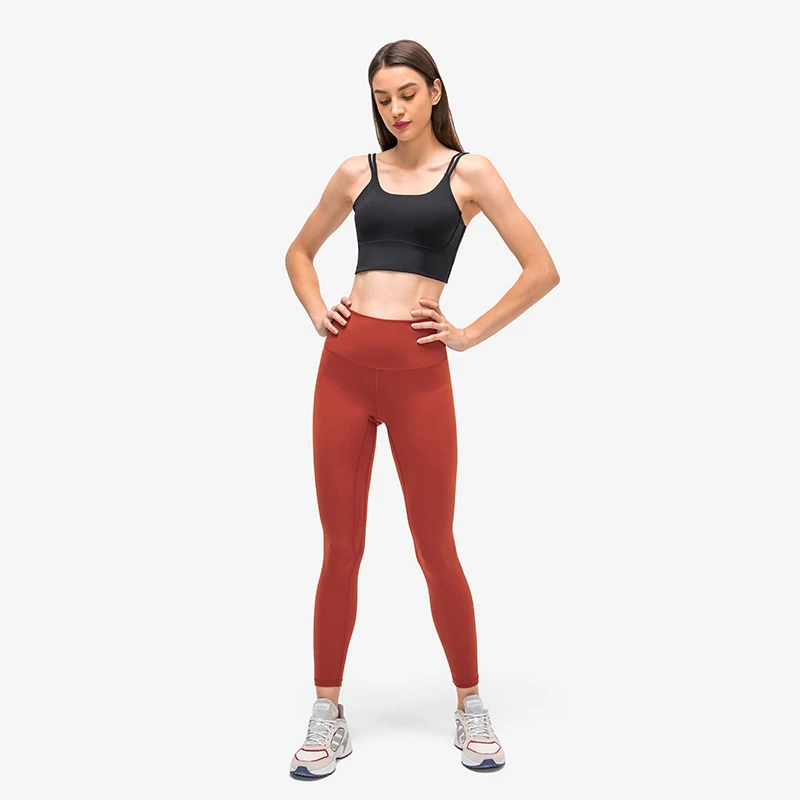
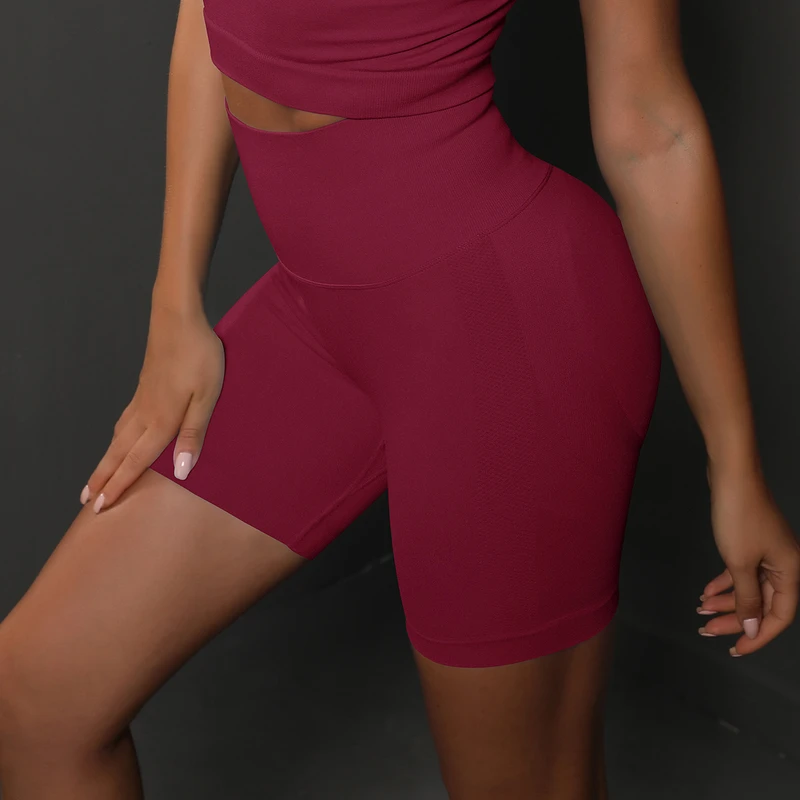
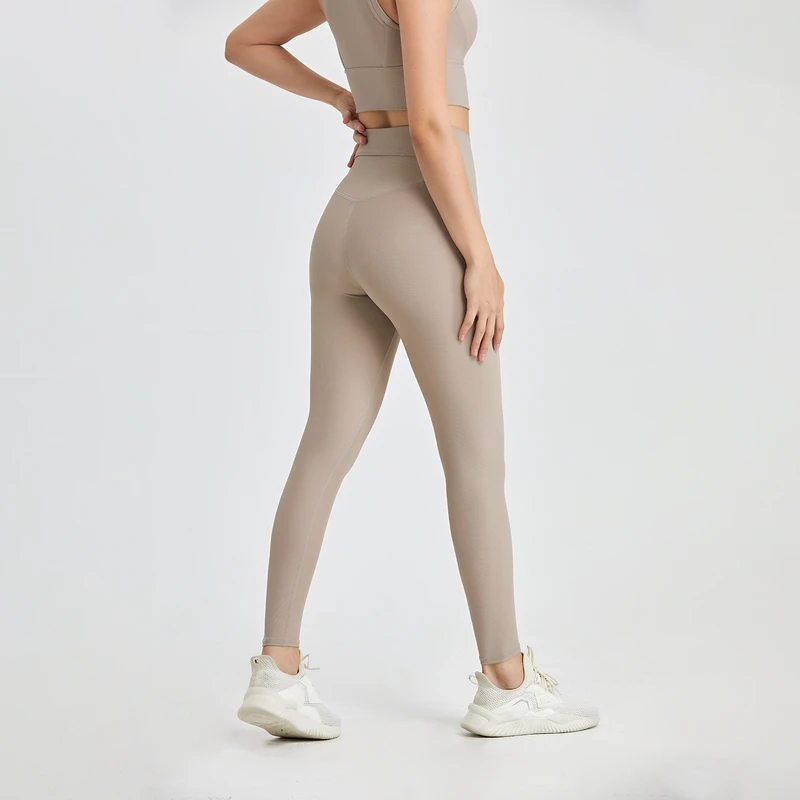
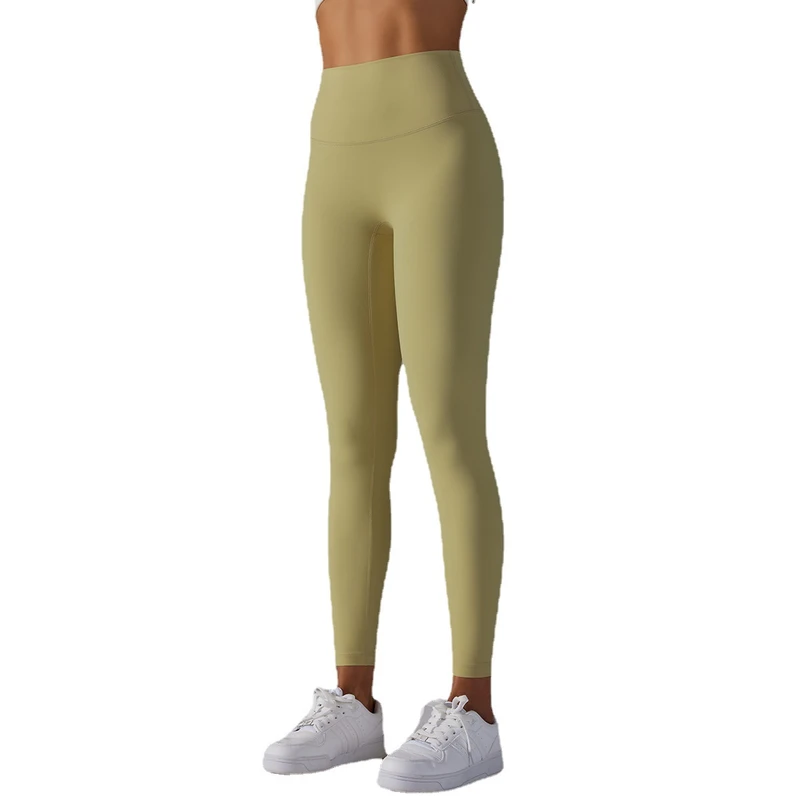
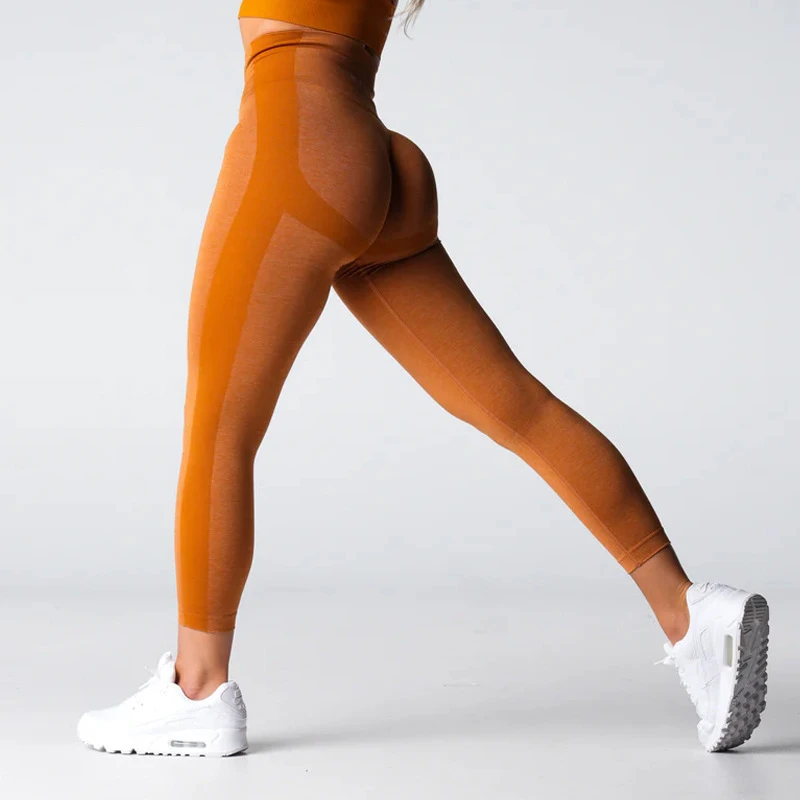
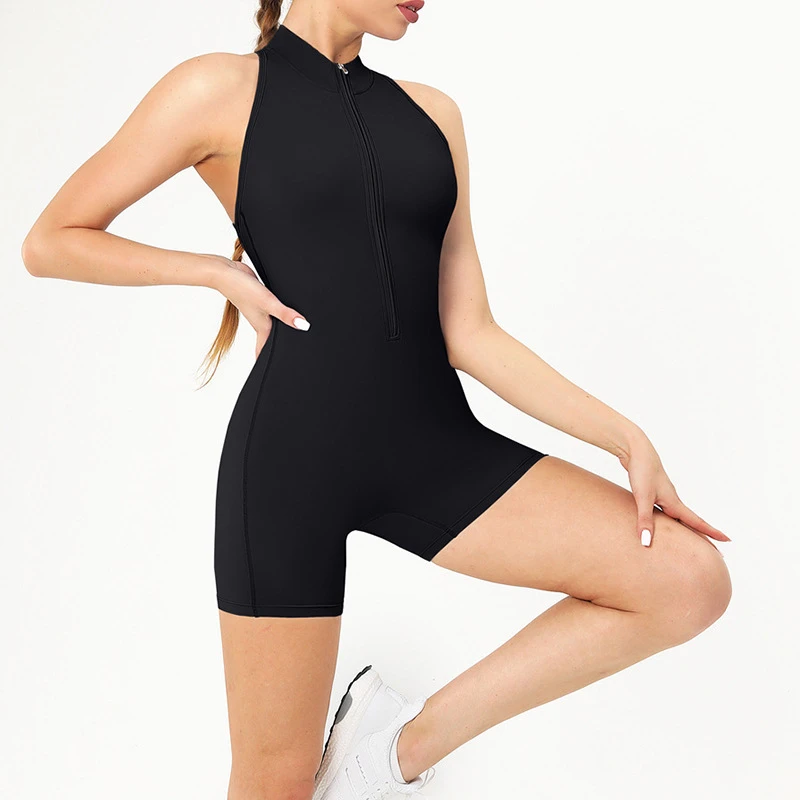
Everything above is about the order rather than the garment. These are the styles it gets applied to.
More guides
The rest of the sourcing library
Written for the person who has to make the sourcing decision, not for a shopper.
How MOQ Works for Yoga Leggings
Why the minimum is usually counted per colour rather than per style, and how to test a design without over-ordering.
Read the guide →GSM and Buttery-Soft Fabric: Reading the Numbers
What fabric weight actually tells you about how a legging feels, and where the description stops being useful.
Read the guide →How Squat-Proof Is Actually Tested
Opacity is measurable. How buyers verify it before a run rather than after a complaint.
Read the guide →The Private Label Process, Step by Step
From first message to packed carton: what happens at each stage and which decisions block the next one.
Read the guide →