Sourcing guide
How Squat-Proof Is Actually Tested
Opacity is measurable. How buyers verify it before a run rather than after a complaint.
In this guide
Squat-proof is the most used phrase in yoga wear and the least defined. It is not a fabric type, a fibre or a weight. It is a single measurable property — opacity under stretch — and like any measurement it can be tested before a run rather than discovered in a customer review.
This guide covers what the phrase actually means, how to test it, and why the colours that fail are almost always the ones nobody tested.
Section 1 of 4
What squat-proof actually means
When a legging goes sheer, it is not because the fabric is thin in the ordinary sense. It is because stretching the knit opens the gaps between the yarns, and once those gaps are wider than the wavelength of light passing through, the fabric stops being opaque. The fabric has not changed; the structure has.
This is why opacity is not a fixed property of a cloth. The same fabric is opaque at rest and translucent across a bent knee. Squat-proof simply means the fabric stays opaque at the stretch it actually experiences in wear, which is much more than the stretch it experiences hanging on a rail.
Section 2 of 4
How to test it
Stretch the fabric the way it will be worn, put it against a contrasting background, and look at it in daylight. That is the whole test. A dark surface behind the fabric makes a sheer fabric look fine; a light surface or a hand behind it exposes the difference immediately. Daylight matters because warm indoor lighting hides a small amount of show-through that daylight does not.
The stretch needs to be realistic. Holding a swatch between two hands and pulling until it will not stretch further tests the fabric at a tension no body reaches. The useful test is the stretch across a seat and a knee in a squat, which is a moderate and repeatable amount. Testing at the same tension every time is what makes the result comparable between fabrics and between orders.
Section 3 of 4
Why light colours fail first
Opacity is about contrast between what is behind the fabric and what is in front of it. A black legging against skin has very little contrast, so a small amount of show-through is invisible. A white or pale pink legging against the same skin has a great deal of contrast, and the same fabric that passed in black fails visibly.
That means the colour to test is the lightest one in the range, and the fabric approval should be signed off in that colour. Approving a fabric in black and then ordering it in ivory is the single most common way this goes wrong, and the failure only appears once the goods are on a customer.
Section 4 of 4
Testing at sample stage
The test belongs at the sample stage, before the fabric is committed. A fabric that fails there costs a swatch. The same fabric that fails after a production run costs the run, plus the dyeing, plus the shipping, plus the customer.
The practical routine is to request the lightest colour in the intended range as part of the sample set, wear it, and check it in daylight in a squat before signing anything off. Keep the approved piece. A repeat order is then checked against a garment that was known to pass, rather than against a description of how it should behave.
In short
Opacity under stretch, tested in the lightest colour in the range, in daylight, at a repeatable tension. Approve the fabric in that colour, and keep the approved piece as the standard for repeat orders.
Quality control
What gets checked before a carton is closed
Inspection is a sequence rather than a final glance. Each check below is done against something that was approved earlier, not against an opinion on the day.
Fabric
Fabric questions, answered
Is a heavier fabric always less see-through?
No. Weight and opacity are different measurements, and a heavy fabric can still go sheer over a light colour. Opacity has to be checked under stretch.
What makes a legging feel buttery?
The yarn, the brushing and the finish applied at the mill. Two fabrics at the same GSM can feel completely different, which is why a swatch beats a specification on its own.
Can you match a fabric we already use?
Send a piece of it. Weight, stretch and composition can be matched or brought close, and the swatch is checked against your reference before sampling.
Do you offer recycled options?
Recycled and lower-impact fabrics are available as options. A certification can only be claimed where the mill supplies it, so it is confirmed per fabric rather than assumed.
From the range
Styles these decisions apply to
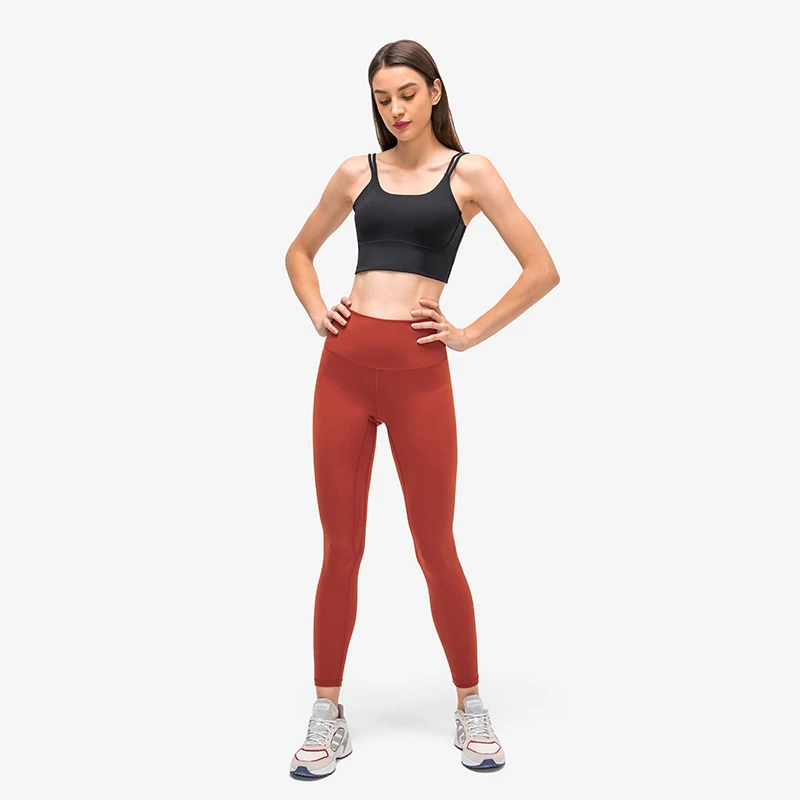
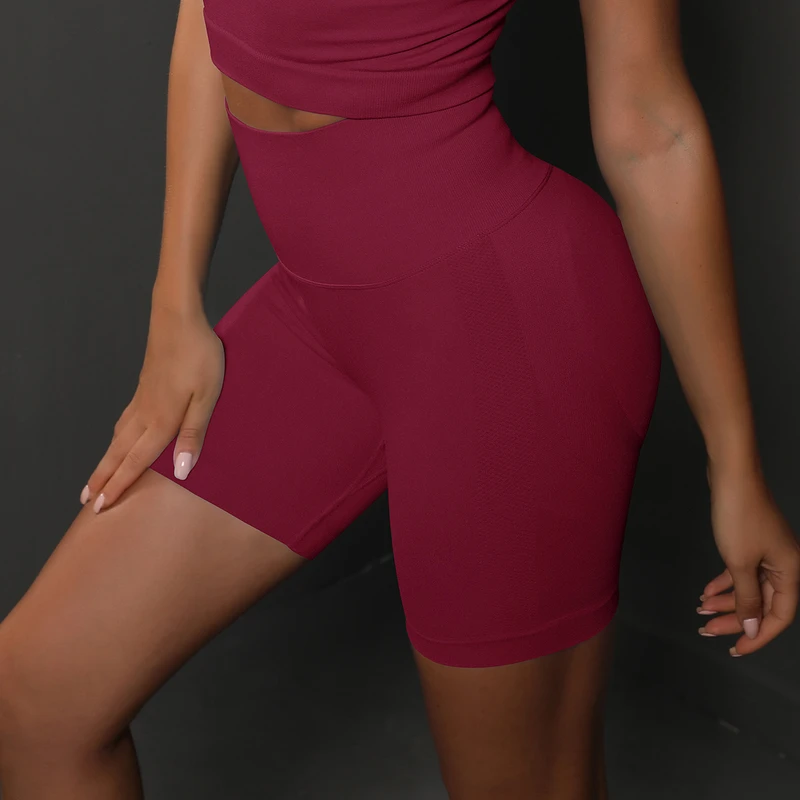
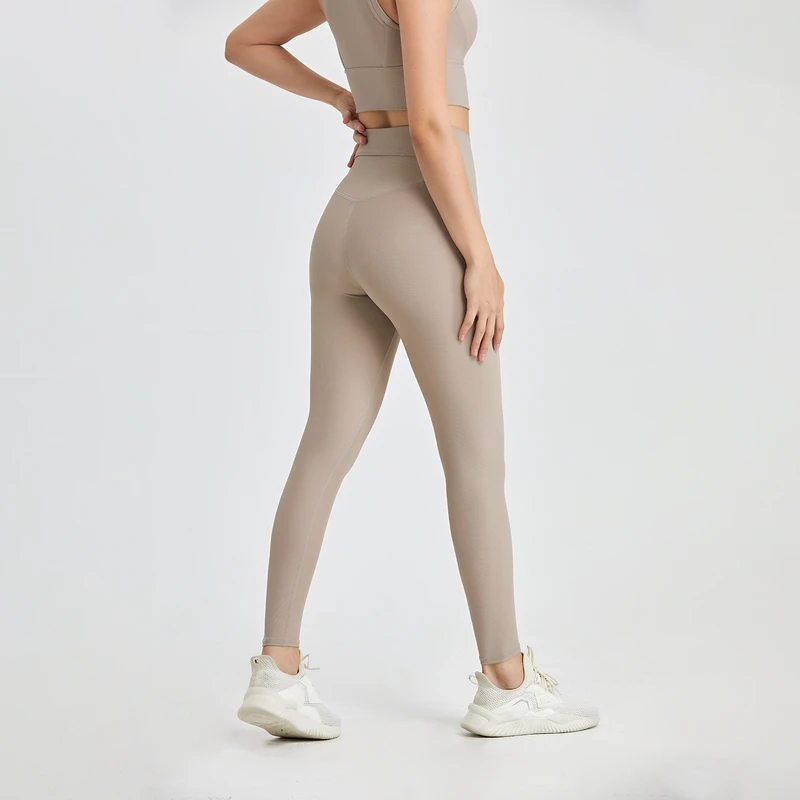
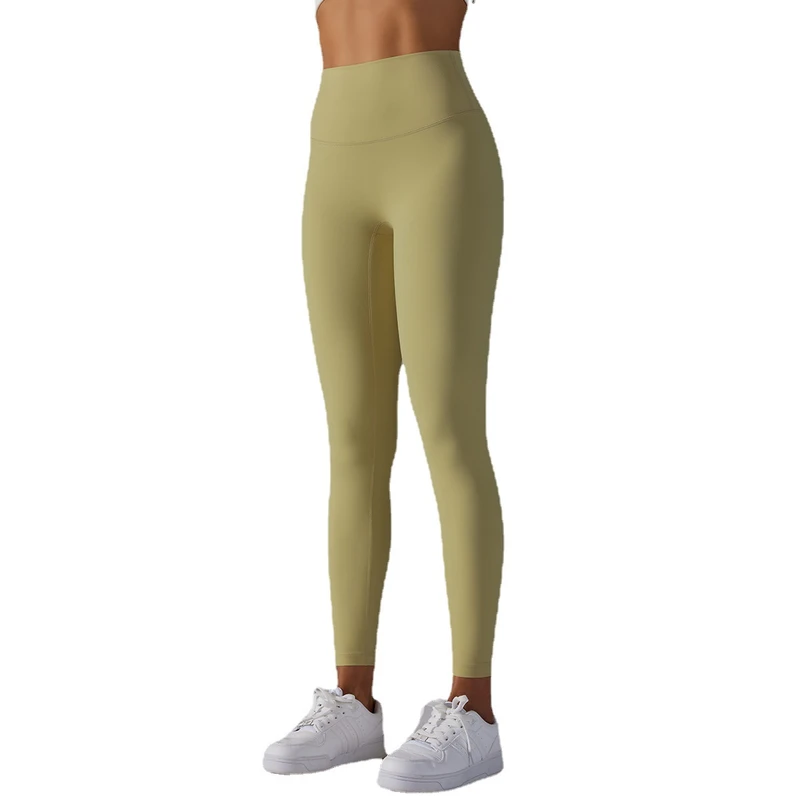
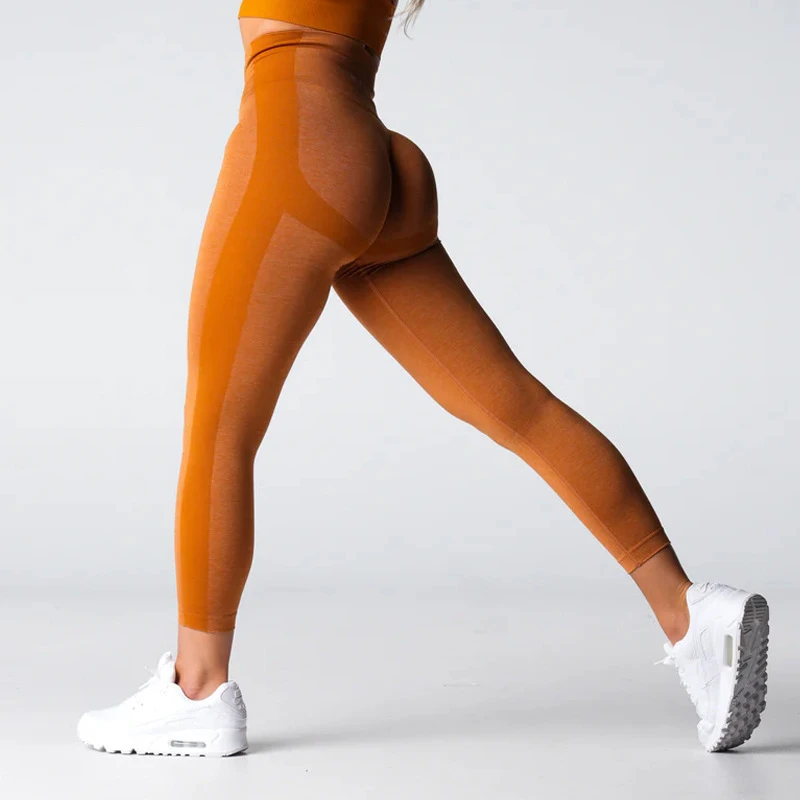
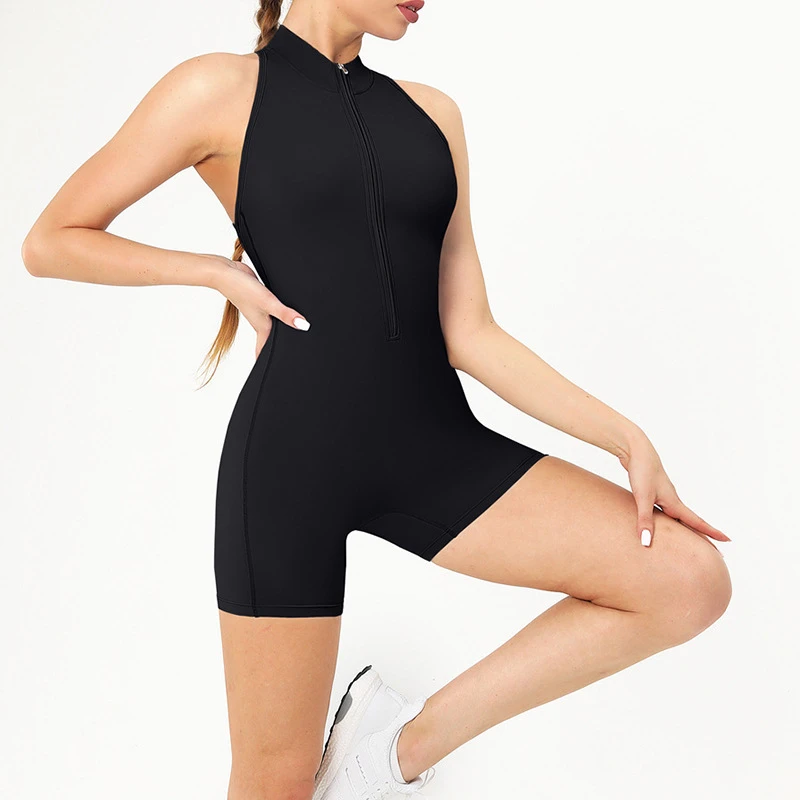
Everything above is about the order rather than the garment. These are the styles it gets applied to.
More guides
The rest of the sourcing library
Written for the person who has to make the sourcing decision, not for a shopper.
How MOQ Works for Yoga Leggings
Why the minimum is usually counted per colour rather than per style, and how to test a design without over-ordering.
Read the guide →GSM and Buttery-Soft Fabric: Reading the Numbers
What fabric weight actually tells you about how a legging feels, and where the description stops being useful.
Read the guide →Yoga Leggings vs Gym Leggings: What Changes in the Fabric
The same silhouette, two different fabrics. What yoga buyers care about, and what gym buyers will not accept.
Read the guide →The Private Label Process, Step by Step
From first message to packed carton: what happens at each stage and which decisions block the next one.
Read the guide →